
Abstract
This paper examines Namibia’s economic and political status within Southern Africa against the backdrop of transformative leadership change and strategic realignment following the 2024 elections. Drawing on recent economic data, policy developments, and regional diplomatic initiatives through February 2026, the analysis demonstrates how President Netumbo Nandi-Ndaitwah’s administration has placed economic diplomacy at the center of foreign policy while pursuing assertive resource nationalism domestically. The paper argues that Namibia’s status in Southern Africa is best understood through three interconnected dimensions: as a resource-rich economy pursuing strategic diversification amid structural vulnerabilities; as an increasingly assertive diplomatic actor leveraging bilateral and multilateral partnerships for development outcomes; and as a regional partner whose infrastructure ambitions and trade integration efforts complement and challenge South Africa’s traditional dominance. The convergence of global energy transition demand, new hydrocarbon discoveries, and proactive diplomatic engagement positions Namibia for transformed regional influence, provided domestic implementation capacity matches policy ambition.
Keywords: Namibia-Southern Africa relations, economic diplomacy, resource nationalism, regional integration, SACU, energy transition, infrastructure development
Introduction
The Republic of Namibia occupies a distinctive position in Southern African international relations. As a sparsely populated, resource-rich country with a stable democratic tradition and strategic coastal access, Namibia has historically punched above its weight diplomatically while struggling to translate resource wealth into diversified, employment-generating economic development. The 2024 election of President Netumbo Nandi-Ndaitwah—the first woman to lead the country since independence—marks a potential inflection point in both domestic policy orientation and regional engagement.
This paper investigates a central research question: What is Namibia’s current economic and political status within Southern Africa, and how is the new administration’s emphasis on economic diplomacy and resource nationalism reshaping regional relationships? The significance of this inquiry extends beyond bilateral dynamics. Namibia’s trajectory illuminates broader patterns of resource-based development strategies, small-state diplomatic agency in asymmetric regional environments, and the tensions between national sovereignty imperatives and regional integration commitments.
This paper proceeds in five sections. Following this introduction, Section Two examines Namibia’s domestic political economy, establishing the foundational context for its external relations. Section Three analyzes bilateral and regional economic integration, focusing on SACU dynamics, trade partnerships, and infrastructure cooperation. Section Four investigates political and diplomatic alignment, including the economic diplomacy doctrine and Namibia’s role in regional governance. Section Five addresses resource nationalism and energy transition strategies, including oil and gas sector governance and critical minerals development. The conclusion synthesizes these findings and offers prospective analysis.
1. Namibia’s Domestic Political Economy: Diversification Imperatives and Structural Constraints
Namibia’s external status in Southern Africa cannot be understood without first examining its domestic political and economic trajectory. The new administration faces familiar structural challenges while pursuing ambitious transformation agendas.
1.1 Macroeconomic Context and Growth Prospects
Namibia’s economic prospects for 2026 appear cautiously optimistic, with GDP growth estimated at approximately 3.8 percent . This growth trajectory is expected to be supported by recoveries in key sectors, including mining, construction, energy, and agriculture, alongside continued strength in services. Central to this outlook is the strategic agenda set out in Namibia’s Sixth National Development Plan (NDP6), which emphasizes industrialization, economic diversification, and inclusive growth .
Despite these prospects, structural challenges remain prominent. High unemployment, persistent income inequality, and overdependence on mining continue to constrain the economy . The nation faces slowing revenues from diamond exports, external economic uncertainties, and an urgent need to diversify into manufacturing, agriculture, and services. These structural constraints demand innovative policy responses and strong governance to unlock sustainable growth.
Fiscal pressures are likely to affect domestic demand in 2026. Measures to consolidate government finances may reduce public development spending, such as construction and infrastructure, which traditionally drive economic activity. Rising inflation, particularly in housing and essential goods, along with high unemployment, is expected to constrain household consumption . Nevertheless, potential improvements such as easing inflationary pressures, lower interest rates, better electricity supply, and enhanced logistics infrastructure could support business confidence and modest growth.
1.2 The Diversification Imperative
One of Namibia’s longstanding economic challenges is its limited diversification. The economy remains heavily reliant on exporting raw commodities while importing high-value goods, exposing Namibia to significant volatility in international markets and deteriorating terms of trade over time . Diversification efforts have historically been hindered by a small and low-skilled labour force, limited physical and human capital, and insufficient technological capabilities to support modern production.
A comprehensive new report by UN Trade and Development (UNCTAD) quantifies both the challenge and opportunity . The analysis identifies 353 feasible products across 23 sectors where Namibia can diversify based on its existing capabilities. Of these, 60 products are directly linked to critical energy transition mineral value chains, offering clear pathways to upgrade economic activity beyond simple extraction.
Under a global export scenario, 200 of these products represent an estimated $811 million in market opportunity. Additionally, import substitution could unlock an additional $117 million, reflecting goods Namibia currently imports but could competitively produce domestically. A prioritized subset of these opportunities could generate approximately 26,000 jobs, strengthening productive employment and reducing the country’s vulnerability to commodity price volatility .
The UNCTAD analysis uses economic complexity methods to map the capabilities embedded in Namibia’s current production and export structure, identifying realistic “next-step” diversification options rather than purely aspirational targets . This evidence-based approach provides policy options and implementation priorities to support Namibia’s industrialization and value-addition strategy.
1.3 Sectoral Diversification Priorities
Strategic diversification is now an imperative rather than an option for Namibia . Transitioning away from mining dependence to a broader, resilient economic base can generate sustainable growth, macroeconomic stability, and improved living standards. Agriculture, agro-processing, manufacturing, energy, tourism, and the digital economy represent promising avenues to deepen value addition, expand exports, and create employment especially for Namibia’s youthful population.
The global energy transition and growing demand for critical minerals offer additional opportunities. By investing in mineral beneficiation, green energy, and related skills development, Namibia can align economic transformation with global climate priorities while enhancing its position in global value chains . Expanding into renewable energy and climate-aligned industries could generate both jobs and sustainable growth while reducing the economy’s vulnerability to commodity price shocks.
Achieving these goals requires consistent policies, infrastructure investments, debt sustainability, and strong institutional governance. Enhancing public-private partnerships, improving the ease of doing business, and ensuring macroeconomic discipline will be critical to attracting both domestic and international investment . Targeted support for small and medium enterprises and local value chains will ensure that diversification benefits are inclusive rather than concentrated in isolated sectors.
1.4 Legislative Agenda and Governance Reforms
Parliamentary debates in 2026 will address several key bills shaping Namibia’s economic governance landscape . The amendment to the Petroleum Exploration and Production Act of 1991 will shift several key powers in the petroleum sector from the ministry to the Office of the President, reflecting President Nandi-Ndaitwah’s directive that oil and gas industries reside under her management to maximize benefits for all Namibians.
The Land Bill, introduced in September 2025, puts a tight noose on the ownership of agricultural commercial land, communal land, and customary land . The Bill prohibits the acquisition of commercial agricultural land by foreign nationals through registration of ownership and grants the State priority rights to buy before owners sell. This legislation reflects broader regional debates about land ownership and economic sovereignty.
The Public Enterprises Governance Amendment Bill, expected for debate in February 2026, aims to clarify roles, improve accountability, and give the prime minister oversight by transferring powers from ministers . The prime minister will primarily control remuneration levels and benefits for employees of public enterprises and the classes of contracts entered into by a public enterprise, including final word on joint ventures, acquisitions, and agreements relating to corporate structure.
The Regional Councils Amendment Bill and Mental Health Bill round out a legislative agenda addressing both economic governance and social development . Debates will also provide direction on the Anti-Corruption Commission and the appointment of its Director General, alongside continued discussion of nationalization of key strategic economic sectors and resources.
2. Bilateral and Regional Economic Integration: Trade, Infrastructure, and Partnerships
Namibia’s economic integration with Southern Africa operates through multiple channels: the Southern African Customs Union, bilateral infrastructure cooperation, and emerging extra-regional partnerships that complement regional relationships.
2.1 SACU Framework and Trade Integration
As a founding member of the Southern African Customs Union, Namibia participates in one of the world’s oldest customs unions, facilitating duty-free movement of goods among member states while establishing common external tariffs. Recent developments have strengthened Namibia’s export position within this framework.
In February 2026, the European Commission officially greenlit expanded cumulation rules for SACU member states . The cumulation rules allow SACU member states to treat materials or labour from a wide network of partner countries as if they were local when qualifying for duty-free access to European markets. Under standard trade agreements, a product usually must be entirely produced within one country to qualify for tax-free entry into the European Union.
The notice, shared by the Namibia Revenue Agency, explains that “cumulation allows exporters in a Southern African Development Community (SADC) Economic Partnership Agreement (EPA) state to incorporate, in the products they manufacture and export to the EU, materials originating in other SADC EPA state, in other African, Caribbean and Pacific EPA states or in the overseas countries and territories of the union as if they were originating in the SADC EPA state exporting the final product to the union” .
This expanded cumulation significantly enhances Namibia’s manufacturing competitiveness by enabling integration into regional and global value chains. Businesses can now more easily qualify for duty-free access to European markets, potentially attracting investment in value-added processing and assembly operations.
2.2 India-SACU Trade Negotiations
India and SACU are set to resume preferential trade agreement negotiations in 2026 to bolster bilateral trade and economic cooperation, following the announcement of an India-European Union free trade agreement at the end of January .
Indian High Commissioner Rahul Shrivastava emphasizes the significance: “Trade between India and Africa has grown steadily over the past two decades, yet it remains well below its full potential. The proposed India-SACU preferential trade agreement is an important step toward unlocking that potential through a partnership rooted in mutual benefit and South-South cooperation” .
SACU members and India held several meetings over the course of 2025 in preparation for formal trade negotiations. A preferential trade agreement could improve the competitiveness of Namibian exports in the Indian market and simultaneously improve access to Indian products. “For Namibia, the potential benefits are significant. India is a major and growing market for minerals, energy resources and agricultural products – sectors where Namibia has strong export capacity,” Shrivastava notes .
Indian pharmaceuticals, textiles, and information technology represent potential products Namibia could gain easier access to through a trade agreement. Studies indicate that once the preferential trade agreement is concluded, bilateral trade between India and SACU could increase by 40 to 60 percent . Such growth would represent substantial expansion of commercial ties and open new opportunities for businesses on both sides.
2.3 Namibia-Botswana Strategic Cooperation
Namibia and Botswana are strengthening strategic cooperation in infrastructure and economic development, with the Trans-Kalahari Railway identified as a key outstanding project . Following a courtesy visit by Botswana High Commissioner Phemelo Mbi Rankoro to President Nandi-Ndaitwah, both sides highlighted growing bilateral relations and progress through formal cooperation structures such as the Binational Commission.
“We have seen the relations and the cooperation between the two countries grow. I can pick the binational commission, the second binational commission that was hosted by Namibia last year,” Rankoro said, noting that the commission had led to concrete agreements in key areas with both countries signing approximately eight agreements in different areas of cooperation .
The high commissioner identified infrastructure as one of the most important areas requiring focused attention, especially projects with regional impact. “There’s the Trans-Kalahari railway project, which is a very important project for both countries and the region” .
President Nandi-Ndaitwah affirmed that Namibia values Botswana as a strategic partner and noted that engagements held throughout the year were now beginning to show progress, especially in infrastructure development: “I am seeing movement with particular reference to infrastructure development. This can only be achieved when we are good ambassadors” .
2.4 Agricultural Data Harmonization and Regional Integration
Namibia is strengthening its agricultural data systems through alignment with the SADC Agricultural Information Management System (AIMS), supported by the Food and Agriculture Organization and the European Union-funded STOSAR II project .
A five-day workshop in Swakopmund in January 2026 supported the 2026-2030 AIMS Roadmap and delivered on commitments made at the November 2025 regional AIMS workshop, where member states pledged to align national indicators, upload at least 70 percent of their data to the regional portal, standardize metadata, and revitalize AIMS technical working groups .
Stephanus Sanda, Chief Statistician at the Ministry of Agriculture, Fisheries, Water and Land Reform, underscored the importance of harmonized agricultural data: “Reliable and harmonized agricultural data is essential for effective planning, monitoring and investment in the sector. This workshop strengthens Namibia’s ability to align national systems with regional and continental frameworks, while ensuring that data is not only collected, but consistently used to inform policy and improve outcomes for farmers and communities” .
This technical cooperation demonstrates Namibia’s commitment to regional integration beyond trade and infrastructure, contributing to shared policy frameworks and evidence-based decision-making.
3. Political and Diplomatic Alignment: The Economic Diplomacy Doctrine
President Netumbo Nandi-Ndaitwah has placed economic diplomacy at the centre of Namibia’s foreign policy, declaring that international relations must now deliver “tangible and measurable benefits” for the country’s people .
3.1 The Economic Diplomacy Framework
Speaking at State House during the official New Year’s greeting ceremony for the Diplomatic Corps, President Nandi-Ndaitwah articulated a fundamental shift in foreign policy orientation: “Namibia’s foreign policy is increasingly shaped by the imperative of economic diplomacy. This is no longer a complementary aspect of our international engagement but a central instrument in advancing our national development objectives” .
The President noted that this shift is reflected institutionally in the renaming of the ministry to the Ministry of International Relations and Trade. “We are determined to ensure that our international partnerships translate into tangible and measurable benefits for our people, including increased investment, expanded trade, skills development, technology transfer, and the creation of sustainable employment opportunities” .
This reframing aligns Namibia’s external engagement directly with domestic development priorities, establishing clear metrics for diplomatic success beyond traditional political and solidarity considerations. It signals to regional partners—particularly South Africa—that Namibia expects economic returns from bilateral and multilateral cooperation.
3.2 Multilateralism and Continental Engagement
Despite the emphasis on economic returns, President Nandi-Ndaitwah reaffirmed that Namibia’s external relations remain anchored in traditional principles: “respect for sovereignty, equality among states, non-interference in internal affairs, adherence to international law, and the peaceful settlement of disputes” .
In her address, the President emphasized that Namibia will continue to advocate for multilateralism amid growing global tensions. “As the international system faces growing strain from geopolitical rivalries, economic fragmentation, and the escalating impacts of climate change, Namibia remains resolute in its belief that diplomacy, dialogue, and effective multilateralism remain indispensable” .
Ambassador Lauria Ngayino Nguele-Makouelet of the Republic of Congo, Dean of the Diplomatic Corps, praised Namibia’s growing international profile under the president’s leadership, citing high-level visits such as that of Indian Prime Minister Narendra Modi and commending Namibia’s progress in gender equality, noting that “Namibian women occupy fundamental spaces in decision-making processes, demonstrating that equity is not merely an aspiration but a concrete practice that strengthens democracy” .
3.3 Regional Diplomacy and the DRC Engagement
President Nandi-Ndaitwah used engagements with regional partners to articulate broader African positions. During a courtesy visit from Democratic Republic of Congo Ambassador Christian Katoto, she restated her firm position on corruption, poverty, and the exploitation of Africa’s natural resources .
“I strongly believe in the African continent. We have enough for everybody. We have no reason why an African person can continue to live in poverty,” she said .
The President warned that competition over strategic resources continued to fuel conflict on the continent. “It’s unfortunate that others are after our resources to be extended. Wherever the strategic resource is found, we have prolonged the war – the classic example we still have seen. It’s very, very unfortunate,” she said, referring to ongoing conflicts in Africa .
This framing positions Namibia as a voice for African resource sovereignty and conflict resolution, aligning with broader Southern African positions while articulating distinct Namibian perspectives shaped by its own liberation history and resource wealth.
3.4 The AFCON 2028 Debate: Infrastructure and Regional Cooperation
Namibia’s potential participation in co-hosting the Africa Cup of Nations in 2028 with South Africa and Botswana has generated debate about infrastructure capacity and regional cooperation .
South African sport minister Gayton Mckenzie announced plans for a collaborative regional bid, warning that failing to land the 2028 hosting rights could leave southern Africa without the tournament for two decades. However, Namibian sport minister Sanet Steenkamp indicated that Namibia had not yet been formally approached with the proposal .
Namibia’s sport director, Vetumbuavi Veii, argues that co-hosting would provide opportunity to upgrade Namibia’s stadiums to international standards, potentially enabling the national team to play international matches on home soil in the future. However, football analyst Hector Mawango questions practicality, noting that Namibia was supposed to bid for the 2027 Afcon with Botswana but failed because stadiums were not ready .
“The delay in the upgrade of the Independence Stadium comes down to bureaucracy. We have no idea who is accountable or has the final say,” Mawango observes, highlighting governance challenges that affect regional cooperation aspirations .
Local women’s football analyst Julien Garises calls on the government to learn from Namibia’s 2027 Afcon bid withdrawal due to cost implications, suggesting that funds should instead concentrate on upgrading stadiums and supporting government initiatives to build stadiums in the regions .
The AFCON debate illustrates both the opportunities and challenges of regional cooperation for Namibia: international visibility and infrastructure investment potential versus domestic implementation capacity and clear accountability frameworks.
4. Resource Nationalism and Energy Transition Strategies
The global energy transition and recent hydrocarbon discoveries have positioned Namibia’s resource sector at the center of both domestic development strategy and regional economic positioning.
4.1 Oil and Gas Sector Governance
President Nandi-Ndaitwah has moved decisively to assert executive control over emerging oil and gas industries. Soon after her inauguration in March 2025, she directed that the country’s oil and gas industries reside under her management “in a way that maximises their benefits for all Namibians” .
The amendment to the Petroleum Exploration and Production Act of 1991 will formalize this shift, transferring powers including the right to grant, renew, or revoke oil and gas exploration licences and production rights from the ministry to the Office of the President . This centralization reflects concerns that previous governance arrangements may not adequately protect national interests in what could become a transformative economic sector.
Parliamentarian Tobie Aupindi has introduced motions underscoring the need to re-examine human capital needs for Namibia’s upstream, middle, and downstream oil and gas sectors, describing current workforce skills as “ineffective” and “lacking” . Identifying gaps and proposing strategies for bridging them will be essential if Namibia is to capture maximum value from hydrocarbon development.
4.2 Local Ownership and Beneficiation Targets
Beyond hydrocarbons, President Nandi-Ndaitwah has set ambitious targets for increasing local ownership in mining ventures from 51 percent in 2024 to 60 percent by 2030 . The plan includes increasing the share of processed mineral exports from 46.6 percent to 57 percent by the end of the decade.
These targets reflect broader resource nationalist sentiment across Southern Africa, where countries seek to capture greater value from mineral extraction and ensure that resource wealth contributes to domestic industrialization. For Namibia, success will require attracting investment in processing facilities while maintaining competitiveness in global markets.
4.3 Critical Minerals and the Energy Transition
The UNCTAD diversification assessment identifies significant opportunities linked to critical energy transition minerals. With global demand accelerating for minerals essential to electric vehicles, renewable energy infrastructure, and battery storage, Namibia’s mineral endowment positions it to benefit from this structural shift .
However, capturing value requires moving beyond raw material extraction to processing and manufacturing. The 60 products directly linked to critical energy transition mineral value chains identified by UNCTAD represent opportunities to upgrade economic activity . Realizing these opportunities requires investment in processing capacity, skills development, and supportive policy frameworks.
4.4 Balancing Sovereignty and Investment Attraction
Resource nationalism creates inherent tension with the investment attraction imperative. While Namibian policy emphasizes local ownership and value addition, achieving diversification targets requires significant foreign investment, technology transfer, and market access.
The economic diplomacy framework addresses this tension by seeking partnerships that deliver “tangible and measurable benefits” rather than rejecting foreign engagement . The challenge lies in structuring deals that balance national control with investor returns sufficient to attract capital and expertise.
The India-SACU trade negotiations and expanded EU cumulation rules demonstrate Namibia’s strategy of using trade agreements to enhance market access while pursuing domestic policy objectives . This multi-layered approach seeks to embed resource nationalism within broader economic integration frameworks rather than pursuing isolationist strategies.
5. Comparative Positioning: Namibia in Regional Context
Understanding Namibia’s status in Southern Africa requires comparative perspective on its position relative to neighboring states and regional patterns.
5.1 Economic Complementarities and Asymmetries
Namibia’s economy, while significantly smaller than South Africa’s, possesses distinctive strengths that create regional complementarities. Its coastal location provides port access for landlocked neighbors, including Botswana, Zambia, and Zimbabwe. The Walvis Bay corridor offers alternative trade routes that reduce dependence on South African ports.
Mineral endowments complement rather than duplicate regional production. While South Africa dominates platinum and chrome production, Namibia’s diamonds, uranium, and emerging oil and gas resources add diversity to regional extractive capacity. The critical minerals required for energy transition—including lithium and rare earth elements—are distributed across multiple regional states, creating opportunities for coordinated development.
Agricultural potential varies across the region, with Namibia’s livestock sector complementing grain production in South Africa and Zambia. The SADC agricultural data harmonization initiative reflects recognition that coordinated information systems can support regional food security planning .
5.2 Demographic and Geographic Factors
Namibia’s population of approximately 2.5 million—comparable to Botswana and smaller than its northern neighbors—limits domestic market size and constrains opportunities for import-substituting industrialization. However, strategic location provides transit revenues and positions Namibia as a regional logistics hub.
The country’s sparse population and arid environment create distinctive development challenges, including high infrastructure costs per capita and limited agricultural potential outside the northern regions. These geographic factors condition economic structure and influence policy choices.
5.3 Governance Patterns and Democratic Credentials
Namibia has maintained stable democratic governance since independence in 1990, with regular peaceful elections and respect for rule of law. The 2024 election and peaceful transfer of power to President Nandi-Ndaitwah reinforced these democratic credentials.
The President’s emphasis on anti-corruption and accountability reflects public expectations for improved governance. Debates around public enterprise reform, parliamentary oversight, and the Anti-Corruption Commission’s role indicate active democratic contestation over governance standards .
Namibia’s governance record compares favorably regionally, providing soft power assets in diplomatic engagement. The country’s role in advocating for African resource sovereignty and conflict resolution benefits from credibility as a stable, democratic voice .
5.4 Comparison with Botswana: Parallel Development Paths
Namibia and Botswana share characteristics as stable, middle-income Southern African states with significant mineral wealth and small populations. Both face diversification challenges and seek to leverage resources for broader development.
The two countries have deepened bilateral cooperation through the Binational Commission and multiple sectoral agreements . The Trans-Kalahari Railway project exemplifies shared infrastructure ambitions that could enhance regional connectivity and reduce dependence on South African transport corridors.
Both countries confront similar policy challenges: managing resource revenues for intergenerational equity, developing human capital for diversified economies, and navigating relations with South Africa as the dominant regional power. Their coordinated positions on issues ranging from SACU governance to regional infrastructure planning amplify collective influence.
Conclusion: Namibia’s Evolving Status and Future Trajectories
This paper has examined Namibia’s economic and political status within Southern Africa across multiple dimensions: domestic political economy foundations, bilateral and regional economic integration, diplomatic doctrine and engagement, and resource nationalism strategies. The analysis reveals a country at a potential inflection point, with new leadership, emerging resource opportunities, and proactive diplomatic engagement creating conditions for transformed regional influence.
Namibia’s status in Southern Africa is best understood through three interconnected dimensions: as a resource-rich economy pursuing strategic diversification amid structural vulnerabilities; as an increasingly assertive diplomatic actor leveraging bilateral and multilateral partnerships for development outcomes; and as a regional partner whose infrastructure ambitions and trade integration efforts complement and challenge South Africa’s traditional dominance.
Several factors will shape the future trajectory of Namibia’s regional position.
First, diversification outcomes will determine whether resource wealth translates into sustainable, employment-generating economic transformation. The UNCTAD roadmap provides evidence-based guidance; implementation will require sustained investment, policy consistency, and institutional capacity building .
Second, hydrocarbon development governance will shape both economic outcomes and international perceptions. The centralization of petroleum sector authority in the presidency signals determination to maximize national benefits, but success depends on transparent, technically sound management and timely human capital development .
Third, economic diplomacy implementation will test whether the ambitious framework delivers tangible results. Converting diplomatic engagement into increased investment, expanded trade, and technology transfer requires coordination across ministries and sustained follow-through .
Fourth, regional infrastructure development, including the Trans-Kalahari Railway and potential AFCON-related upgrades, will affect Namibia’s connectivity and attractiveness as an investment destination. Progress on these fronts depends on both domestic implementation capacity and regional cooperation effectiveness .
The most significant finding of this analysis is the coherence of Namibia’s strategic vision under President Nandi-Ndaitwah’s leadership. Economic diplomacy, resource nationalism, regional integration, and continental engagement are articulated as interconnected elements of a unified approach to national development. This coherence, if sustained, could enable Namibia to punch above its weight in regional affairs while addressing longstanding structural economic challenges.
For South Africa, Namibia represents both partner and competitor. Partner in regional infrastructure, trade integration, and diplomatic coordination; competitor for investment, processing industries, and regional hub functions. Managing this dual relationship requires sophisticated diplomacy and recognition that Namibia’s growing capabilities create opportunities for mutual benefit alongside competitive dynamics.
For the broader Southern African region, Namibia’s trajectory offers lessons in resource-based development strategy, small-state diplomatic agency, and the challenges of diversification in mineral-dependent economies. Success would demonstrate pathways from resource wealth to inclusive development; failure would reinforce patterns of extraction without transformation that have constrained regional progress.
The relationship between Namibia and its neighbors, in sum, reflects the complex interdependence of contemporary Southern Africa. Strategic resources create both opportunities and dependencies. Geographic position generates transit advantages and infrastructure responsibilities. Democratic governance provides soft power assets and credibility in continental advocacy. As Namibia navigates these dynamics under new leadership, its evolving status will illuminate broader possibilities for resource-rich states in an increasingly integrated but competitive regional environment.
References
-
Sheehama, J.K. (2026, February 15). New 2026 horizons through strategic diversification. Namibia Economist.
-
Gaiseb, R. (2026, January 7). Parliament: The year ahead. New Era Namibia.
-
The Namibian. (2026, February 5). New rules clear path for duty-free Namibian exports to EU. The Namibian.
-
Food and Agriculture Organization. (2026, January 12). Namibia strengthens agricultural data systems through SADC AIMS alignment workshop. FAO Namibia.
-
allAfrica.com. (2026, January 23). Namibia/South Africa: Nam, SA Afcon Talks Still a Pipedream, Experts Say. allAfrica.com.
-
Jason, L. (2026, February 9). Nam, Bots boost strategic ties …as President receives regional envoys. New Era Namibia.
-
Jason, L. (2026, February 13). NNN amplifies economic diplomacy. New Era Namibia.
-
Namibian Sun. (2026, February 21). Namibia’s $900m diversification roadmap. Namibian Sun.
-
NBC News. (2026, February 21). President Nandi-Ndaitwah meets regional leaders on 2026 way forward. NBC News.
-
The Namibian. (2026, February 18). India signals southernAfrica trade push. The Namibian.
Related Posts
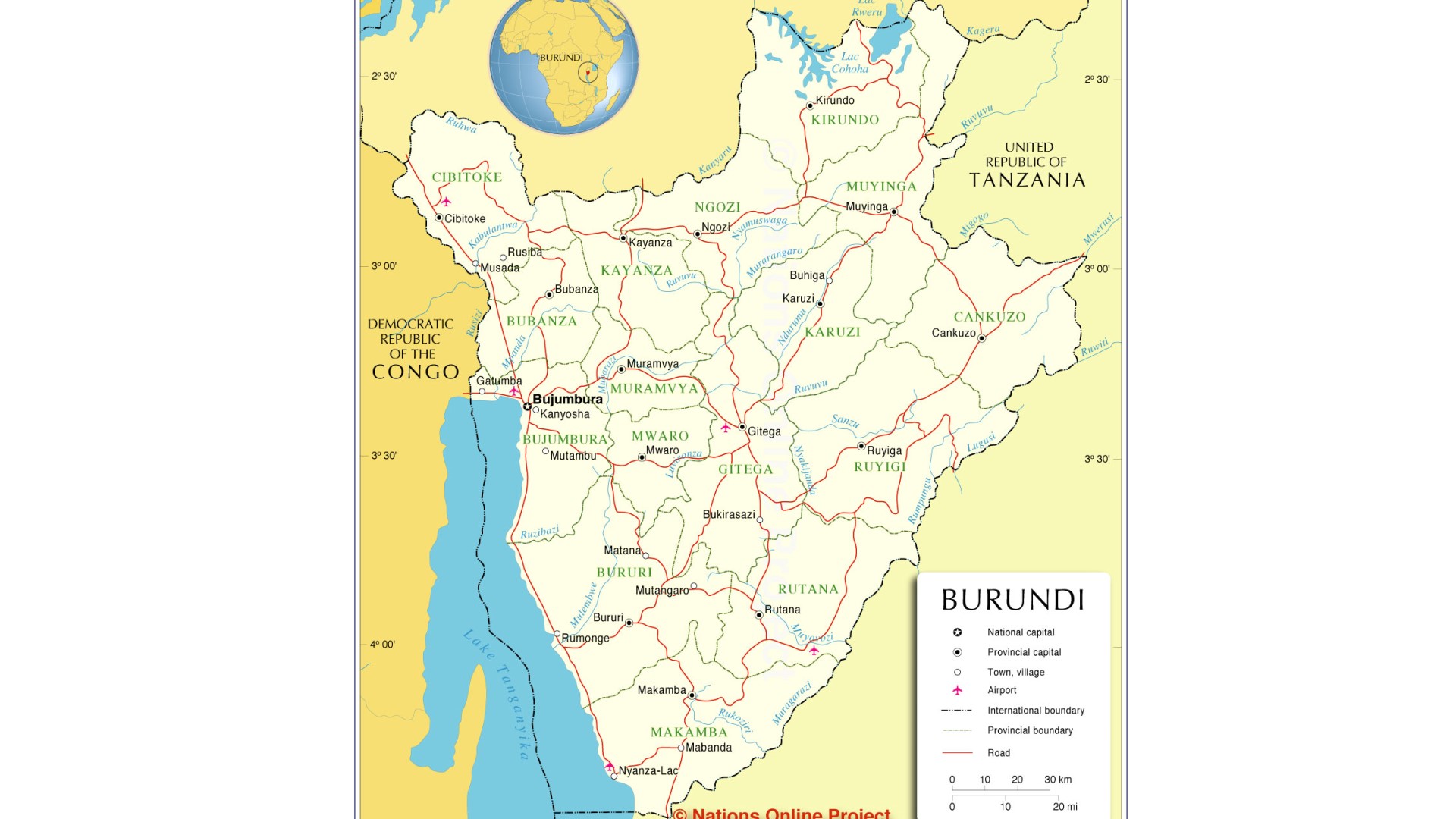
The Economic and Political Status of Burundi in East Africa
Abstract This paper examines the evolving economic and political status…
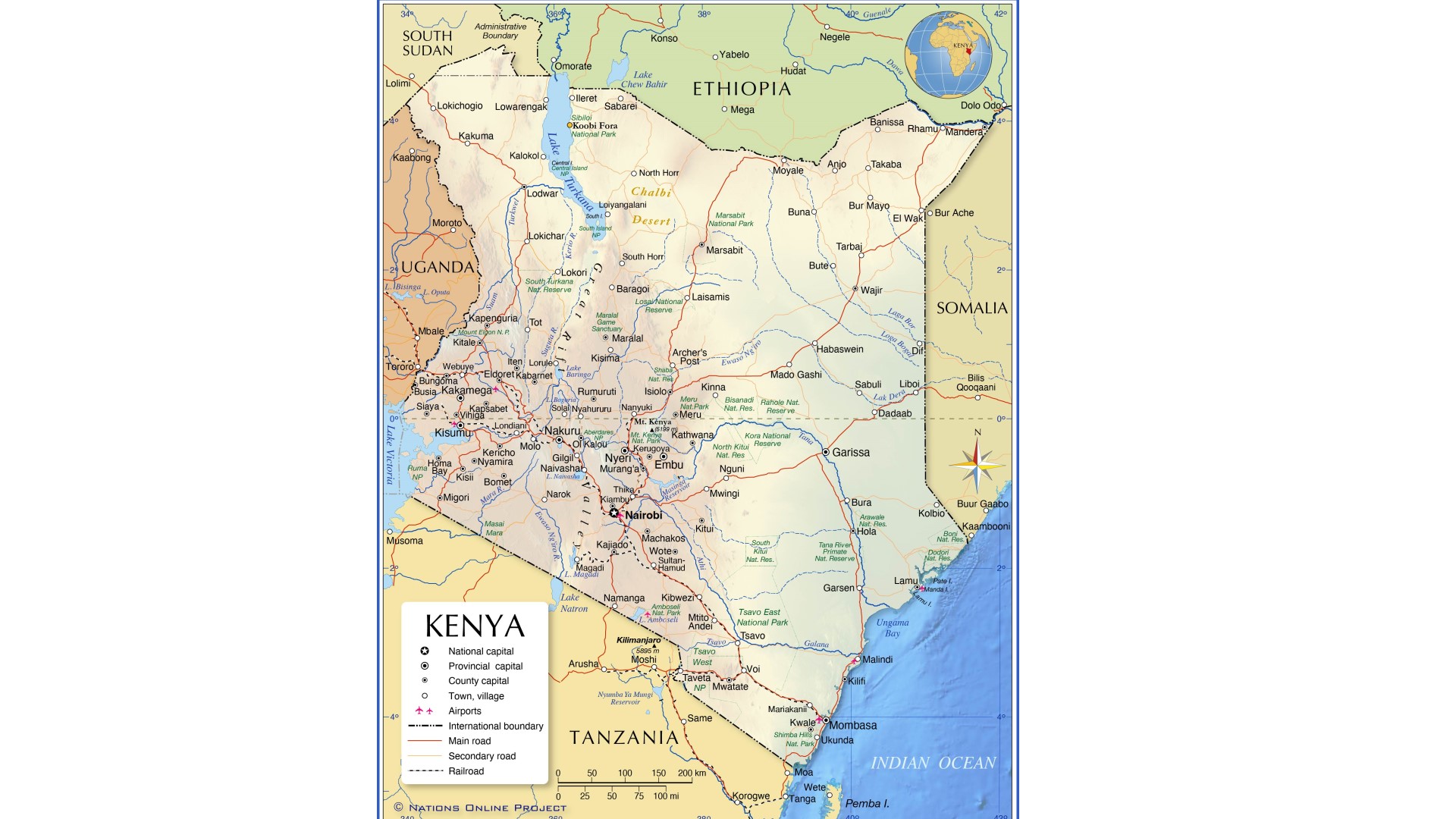
Kenya’s Contemporary Economic and Political Status
Abstract This paper provides a comprehensive analysis of Kenya's contemporary…
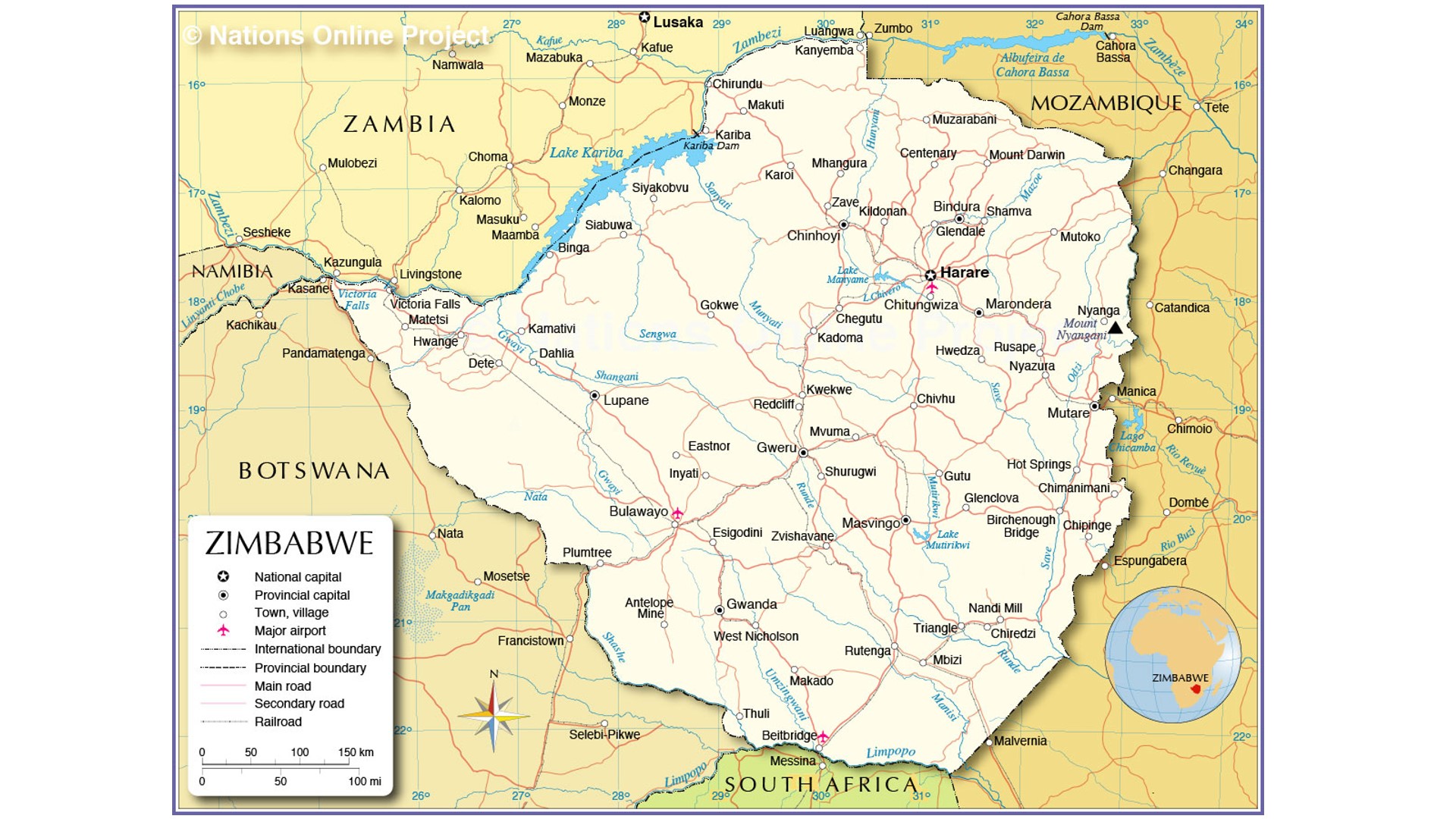
The Economic and Political Status of Zimbabwe in East Africa
Abstract This paper examines Zimbabwe's contemporary economic and political status,…