
The term “technology gap” refers to the stark disparity in access to, adoption of, and innovation in digital technologies between nations and regions. For Africa, a continent brimming with youthful potential and dynamic economies, this gap is not merely an inconvenience; it is a critical barrier to sustainable development, economic competitiveness, and global participation. Mitigating this gap is imperative, and the solution lies not in replicating the paths of others, but in crafting a deeply contextual, multi-pronged, and resilient strategy.
Understanding the Depth of the Gap: More Than Just Connectivity
The challenge extends beyond simple internet access. The gap is multifaceted:
- Infrastructure Deficit:While submarine cables ring the continent, the “last-mile” connectivity to rural and peri-urban areas remains poor and expensive. Energy instability further undermines digital infrastructure.
- Human Capital & Skills:There is a acute shortage of advanced digital skills (AI, data science, cybersecurity) and, crucially, the foundational STEM education pipeline to sustain them. The “brain drain” exacerbates this.
- Regulatory & Policy Environment:Outdated or restrictive policies hinder innovation. Issues range from complex business registration and high spectrum costs to data localization laws and cross-border data flow restrictions.
- Financial Ecosystem:A funding chasm exists for tech startups between early-stage seed funding and larger growth capital. Traditional banks are often hesitant to lend to intangible-tech ventures.
- Local Content & Relevance:Much of the dominant software, platforms, and digital content are not designed for African contexts, languages, or specific challenges (e.g., in agriculture, informal trade, or public health).
A Roadmap for Mitigation: Strategic Pillars for Action
Mitigating the gap requires simultaneous action across several fronts, with governments, the private sector, academia, and civil society playing interdependent roles.
1. Foundational Infrastructure as a Public Good
- Smart Public Investment & PPPs:Governments must treat broadband as critical 21st-century infrastructure. Public-Private Partnerships (PPPs) can de-risk investments for private players to expand into underserved areas. Models like Kenya’s National Optic Fibre Backbone Initiative (NOFBI) provide a blueprint.
- Energy-Digital Nexus:Investments in digital infrastructure must be coupled with investments in renewable energy (solar, wind) to power data centers and base stations, creating a sustainable tech ecosystem.
- Shared Infrastructure:Promoting open-access networks (where infrastructure is shared among service providers) can lower costs and prevent duplication, as seen in Rwanda’s partnership with Korea Telecom.
2. Cultivating Human Capital for the 4IR
- Curriculum Revolution:Embedding computational thinking, coding, and digital literacy into national curricula from primary levels is non-negotiable. Countries like Ghana and Nigeria have begun this integration.
- Specialized & Inclusive Capacity Building:Supporting pan-African institutions like the African Institute for Mathematical Sciences (AIMS) and creating more specialized tech universities is key. Initiatives must aggressively include women and girls, addressing the gender digital divide.
- Incentivizing Retention & Diaspora Engagement:Creating attractive research grants, innovation prizes, and competitive tech hubs can help retain talent. Parallel “diaspora bonds” and virtual collaboration platforms can harness the skills of Africans abroad.
3. Fostering Innovation & a Thriving Startup Ecosystem
- Regulatory Sandboxes:These allow startups to test innovative products (in fintech, healthtech, etc.) in a controlled environment with temporary regulatory relief. Nigeria’s Securities and Exchange Commission and Central Bank have successfully used this model.
- Local Solutions for Local Problems:Support should be directed towards entrepreneurs solving African challenges—agritech like Kenya’s Twiga Foods, healthtech like Zipline’s drone delivery, or edtech like Uganda’s Eneza Education. This builds relevance and resilience.
- Diversifying Finance:Beyond venture capital, governments can create sovereign tech investment funds, encourage pension fund allocations to alternative tech assets, and support revenue-based financing models suited to African startups.
4. Strategic Governance & Regional Collaboration
- Implementation of SMART Policies:Policies must be Specific, Measurable, Achievable, Relevant, and Time-bound. The African Union’s Digital Transformation Strategy (2020-2030) provides a excellent continental framework that needs localized action plans.
- Harmonization at Regional Level:Bodies like ECOWAS and the EAC must harmonize regulations on data protection, digital taxation, and e-transactions. This creates a larger, more attractive regional market for investors, as envisioned by the African Continental Free Trade Area (AfCFTA).
- Data Sovereignty with a Purpose:While protecting citizen data, policies should enable the creation of open data portals for key sectors (agriculture, transport) to spur innovation. The model should be “sovereignty for development,” not just control.
5. Leapfrogging with Strategic Technologies
Africa need not follow linear progression. It can leapfrog directly to next-generation solutions:
- AI for Development:Deploying AI for predictive agriculture, personalized education, and diagnostic healthcare can bypass legacy system limitations. Initiatives like Google’s AI Center in Ghana are a step, but local capacity must lead.
- The Blockchain Advantage:Blockchain can provide transparency in supply chains (for crops or minerals), secure land registries, and create new digital identity systems, addressing deep-seated institutional trust issues.
Case Studies in Pragmatic Action
- Rwanda:A top-down, strategic approach has made it a leader. It invested heavily in national fibre, launched a pioneering drone delivery service for medical supplies, and positions itself as a continental hub for AI and cybersecurity.
- Kenya:A dynamic private-sector-led model birthed M-Pesa, revolutionizing mobile money. Its tech ecosystem, “Silicon Savannah,” thrives due to a mix of entrepreneurial culture, savvy angel investors, and relatively supportive regulation.
- Egypt:Leveraging its large population and strategic location, Egypt has focused on becoming a regional data hub and outsourcing center, investing in mega-projects like the “Smart Village” and New Administrative Capital to attract tech FDI.
Conclusion: A Decade of Decisive Action
Mitigating the technology gap is Africa’s most pressing developmental imperative. The strategy cannot be one of passive consumption of imported technology. It must be an active, sovereign project of adaptation, creation, and collaboration. By treating digital infrastructure as a public good, revolutionizing education, empowering homegrown innovators, enacting smart regional policies, and leapfrogging to strategic technologies, African nations can transform the gap into a bridge. This bridge will lead to more resilient economies, improved governance, and enhanced global competitiveness. The time for siloed projects is over; the era of integrated, continent-wide digital transformation must begin. The gap, while daunting, is not destiny. With concerted effort, it can be the catalyst for Africa’s most profound leap forward.
Related Posts
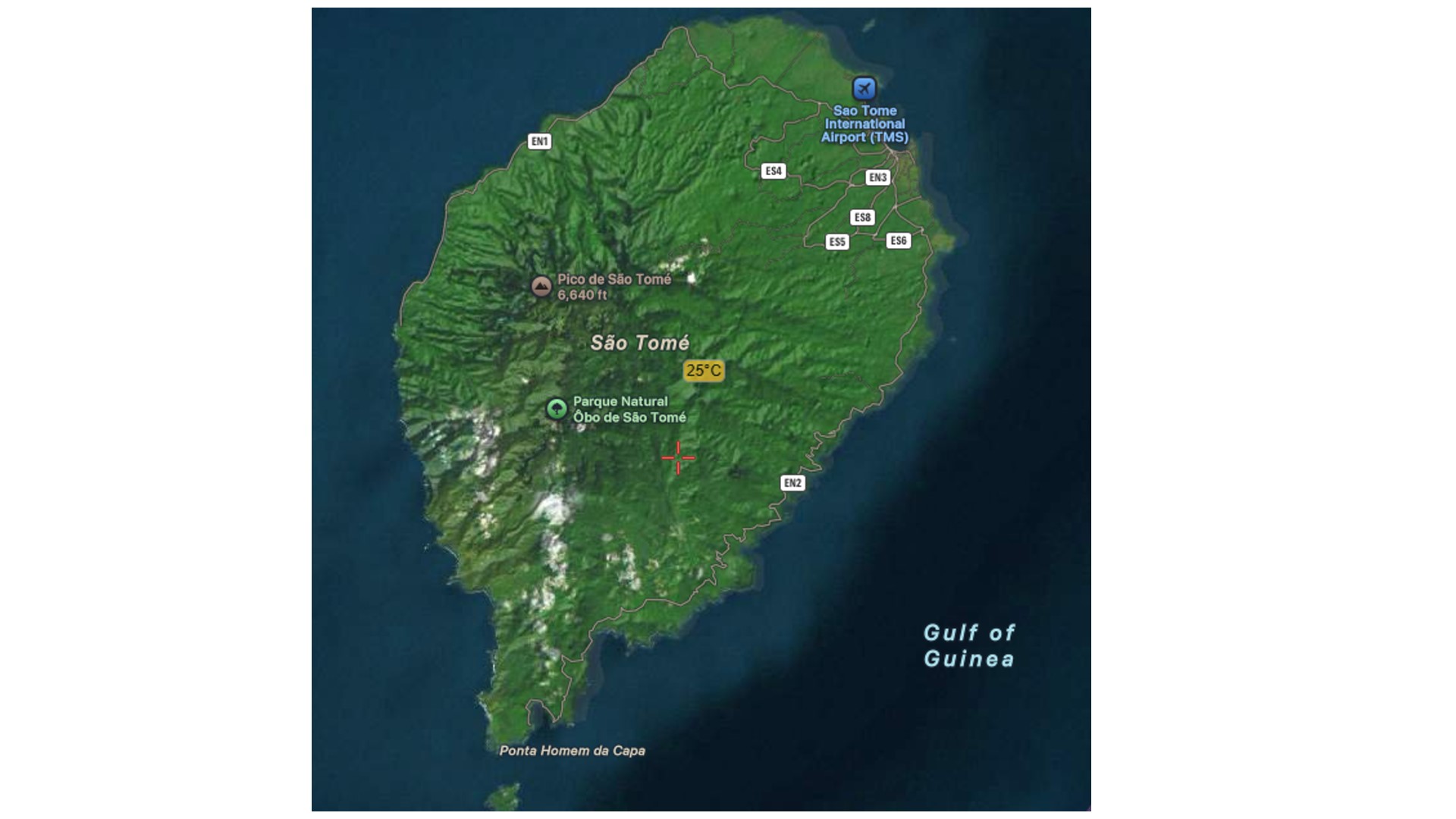
The Economic and Political Status of São Tomé and Príncipe
Abstract This paper provides a comprehensive analysis of the economic…
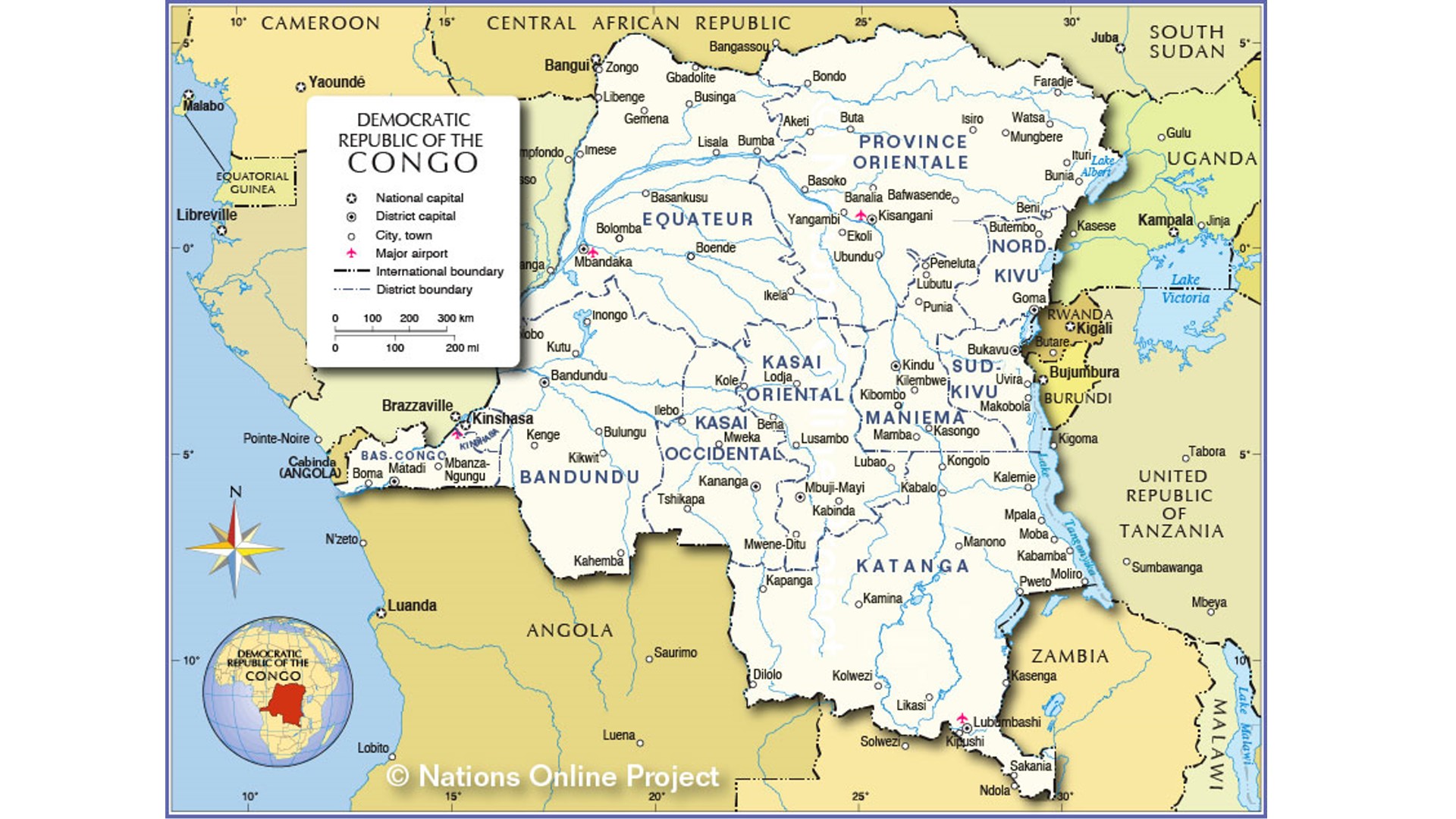
Democratic Republic of the Congo’s Economic and Political Status Analysis
Abstract This paper provides a comprehensive analysis of the Democratic…
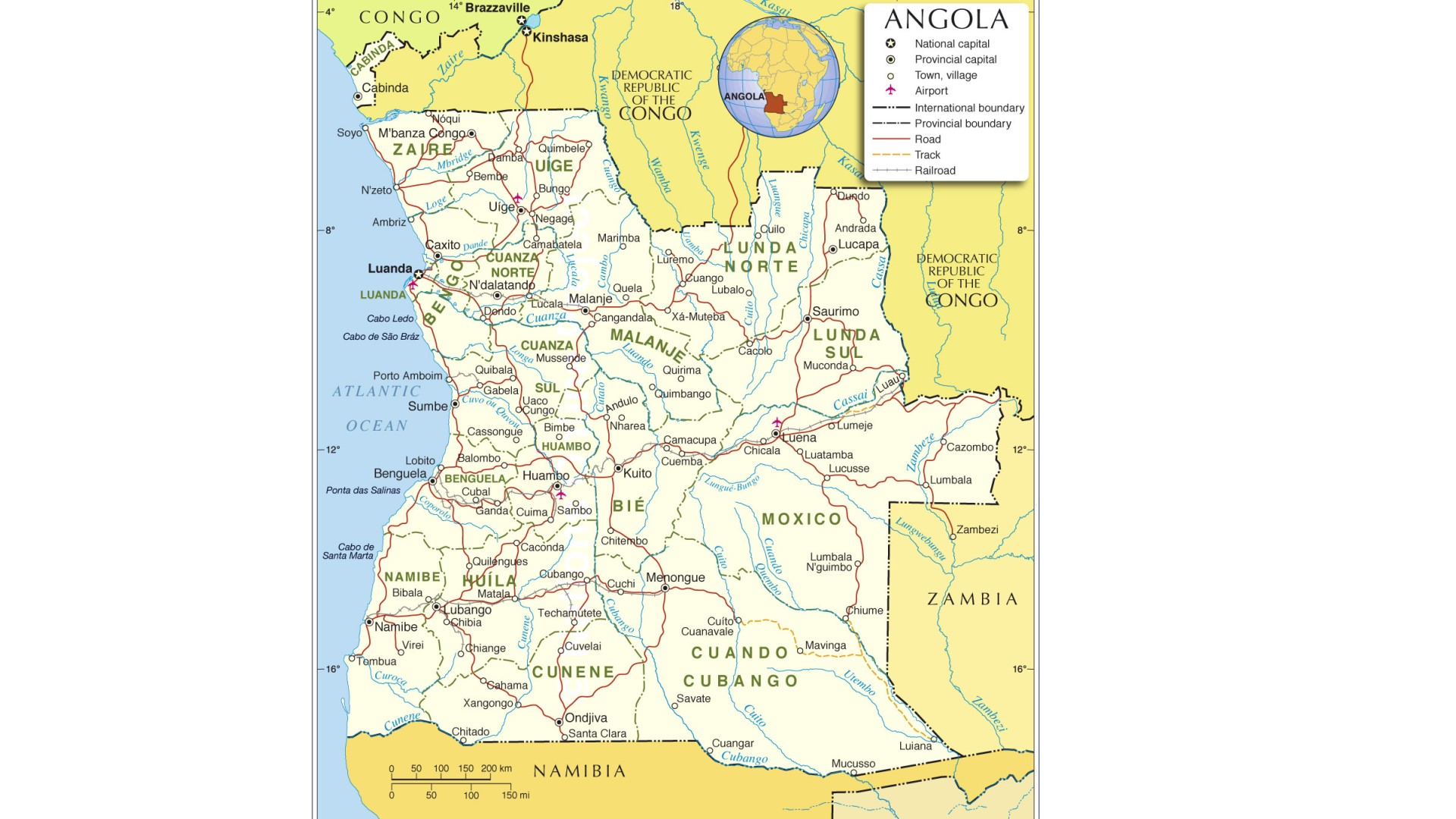
The Economic and Political Status of Angola in South
Abstract This paper examines Angola's economic and political status in…