
Introduction: A Historic Gambit
The African Continental Free Trade Area (AfCFTA), operational since January 1, 2021, represents the most ambitious economic integration project in modern African history. It aims to create a single market of 1.3 billion people with a combined GDP of approximately $3.4 trillion. By reducing tariffs, harmonizing regulations, and facilitating the free movement of businesspeople and investments, its architects envision a transformed, industrialized, and self-reliant Africa.
Yet, the journey from a visionary legal agreement—ratified with remarkable speed by 54 of 55 AU member states—to a functioning economic reality is a complex saga of technical hurdles, political will, and systemic transformation. This article provides a deep analysis of the implementation landscape of the AfCFTA, examining its progress, persistent challenges, and strategic pathways forward.
1. The Implementation Architecture: Building the Engine
Implementation is coordinated through a multi-layered institutional framework:
- The AfCFTA Secretariat:Based in Accra, Ghana, it is the permanent administrative body, tasked with coordinating negotiations, monitoring implementation, and serving as a dispute settlement facilitator.
- The Council of Ministers:Comprised of trade ministers, it provides strategic oversight.
- The Dispute Settlement Body:A critical judicial mechanism to resolve trade conflicts between state parties, modeled on the WTO’s system but tailored for African contexts.
- The Guided Trade Initiative (GTI):Launched in 2022, this is a pragmatic “learning by doing” pilot program. It connects willing member states and designated companies to trade under AfCFTA rules on a limited selection of goods (e.g., batteries from Kenya to Ghana, tea from Kenya to Cameroon), testing customs, documentation, and payment systems in real-time.
2. The Core Negotiations: State of Play
The implementation is phased, with ongoing negotiations on critical annexes:
- Phase I: Mostly Finalized
- Trade in Goods:The core Rules of Origin (RoO) for 87.7% of tariff lines have been agreed upon. These rules (e.g., “sufficient transformation” or value-added thresholds) are essential to prevent trans-shipment and ensure benefits accrue to African producers. Tariff concession schedules are being exchanged bilaterally and consolidated.
- Trade in Services:Commitments are being made across five priority sectors: transport, communication, tourism, financial services, and business services.
- Phase II: Under Intensive Negotiation (The Hard Part)
- Intellectual Property Rights:Creating a continental IP framework to protect innovations while ensuring technology transfer.
- Investment Protocol:Adopted in February 2023, it aims to create a predictable, transparent environment to attract intra-African investment, moving beyond extractive sectors.
- Competition Policy:Preventing anti-competitive practices and monopolies that could undermine the single market.
- Digital Trade and E-commerce:A rapidly evolving area, crucial for SMEs and youth entrepreneurship, covering data governance, consumer protection, and digital payments.
- Phase III: Future Agenda
- Protocol on Women and Youth in Trade:Acknowledging their central role as cross-border traders.
- Protocol on Goods and Services.
3. The Implementation Hurdles: A Deep Dive
A. Physical and Hard Infrastructure Deficit
Africa’s intra-regional trade languishes at 14-18%, compared to 60% in Europe, partly due to crippling infrastructure gaps. Poor road and rail networks, inefficient ports, and expensive air connectivity raise transaction costs. The African Development Bank estimates a continental infrastructure financing gap of $68-$108 billion annually. Without coordinated infrastructure development, particularly in transport and energy, the free movement of goods remains theoretical.
B. The “Soft Infrastructure” Quagmire
- Customs and Border Management:Cumbersome, non-automated, and often corrupt border procedures are a major non-tariff barrier (NTB). The success of AfCFTA hinges on the implementation of a continent-wide African Customs Union, which remains a distant goal.
- NTB Reporting Mechanism:An online platform exists for traders to report barriers (e.g., arbitrary quotas, lengthy inspections), but enforcement and elimination of reported NTBs are slow.
- Divergent Regulations:Varying national standards on product safety, labeling, and sanitary measures act as hidden trade barriers. Harmonization is a monumental technical and political task.
C. The Financial Architecture Gap
- Payment Systems:The lack of a seamless, low-cost continental payment system forces traders to use extra-African currencies (USD, EUR), adding cost and forex risk. The Afreximbank’s Pan-African Payment and Settlement System (PAPSS), launched in 2022, is a direct response. It allows instant cross-border settlement in local currencies, but widespread adoption by commercial banks and businesses is in its infancy.
- Trade Finance:An estimated $81 billion trade finance gap stifles SMEs. African banks often lack the capacity or risk appetite to issue letters of credit for intra-African trade.
D. Political Economy and Sovereignty Concerns
- Revenue Fears:Many governments, especially those reliant on customs duties for a significant portion of fiscal revenue (up to 30% in some cases), fear short-term budget shocks. A robust African Union-led Adjustment Fund is proposed to compensate losers, but its capitalization is insufficient.
- Industrial Competition:Countries with nascent industries (e.g., Ghana’s nascent pharmaceutical sector) fear being outcompeted by more established regional powers (e.g., South Africa, Egypt). The phased tariff liberalization and RoO are designed to manage this, but protectionist pressures remain potent.
E. Informality and SME Inclusion
An estimated 80% of cross-border trade in Africa is informal, conducted by small-scale traders, often women. Formalizing and empowering these actors—simplifying procedures, providing access to finance and market information—is critical for inclusive growth but remains a daunting implementation challenge.
4. Strategic Enablers and Catalysts
Despite hurdles, powerful enablers are emerging:
- The Digital Revolution:Digital tools can leapfrog legacy barriers. E-platforms like the AfCFTA Adjustment Fund’s digital Financial Platform, digital customs systems (like Rwanda’s), and e-phytosanitary certificates can drastically reduce time and costs.
- The Pan-Africanist Private Sector:Major African conglomerates (Dangote, MTN, Ecobank) are strong advocates, positioning their supply chains for a continental scale. The AfCFTA Private Sector Strategy seeks to harness this.
- Geopolitical Tailwinds:Supply chain reconfigurations post-COVID and amid great power competition make regional integration more attractive. The “China+1” and “friend-shoring” trends could position Africa as a more cohesive investment destination if AfCFTA succeeds.
- The “Made in Africa” Narrative:AfCFTA has ignited a powerful narrative of self-reliance and identity, creating political and social momentum.
5. The Road Ahead: A Realistic Assessment
The implementation of AfCFTA is a marathon, not a sprint. Its timeline should be measured in decades, not years. The European Union’s single market took over 40 years to mature.
Critical next steps include:
- Accelerating the Guided Trade Initiative:Expanding the GTI to more countries and products to create tangible success stories and build institutional muscle memory.
- Finalizing Phase II Protocols:Concluding negotiations on digital trade and competition policy is urgent for the 21st-century economy.
- Deepening PAPSS Integration:Making PAPSS ubiquitous, cheap, and user-friendly for traders at all levels.
- Building Coalitions of the Willing:Not all 54 states will move at the same speed. A “variable geometry” approach, where pioneering clusters (e.g., the East African Community, Ghana-Côte d’Ivoire axis) integrate faster, can create positive peer pressure.
- Empowering the Secretariat:Providing the AfCFTA Secretariat with sufficient resources, political backing, and technical authority to be an effective referee and facilitator.
Conclusion: Beyond Trade, Toward Transformation
The AfCFTA’s ultimate metric of success is not merely an increase in intra-African trade percentages. It is whether it catalyzes structural transformation: moving African economies from being exporters of raw materials to builders of regional value chains in agro-processing, automotive, pharmaceuticals, and green technology.
Its implementation is the most critical economic project on the continent. It is a test of African political will, technical competence, and collective faith in a shared destiny. While the obstacles are formidable, the cost of failure—continued fragmentation, dependency, and underdevelopment—is far greater. The AfCFTA is not just a trade agreement; it is the operational blueprint for Africa’s economic sovereignty in the 21st century.
Sources:
- AfCFTA Secretariat. (2023). Annual Report on the State of Implementation.
- (2023). Assessing Regional Integration in Africa.
- World Bank. (2022). The African Continental Free Trade Area: Economic and Distributional Effects.
- (2023). PAPSS Implementation Report.
- International Trade Centre. (2023). SME Competitiveness under the AfCFTA.
Related Posts

Climate Change Impacts & The Just Energy Transition in Africa
Introduction: The Paradox of Vulnerability and Potential Africa stands at…
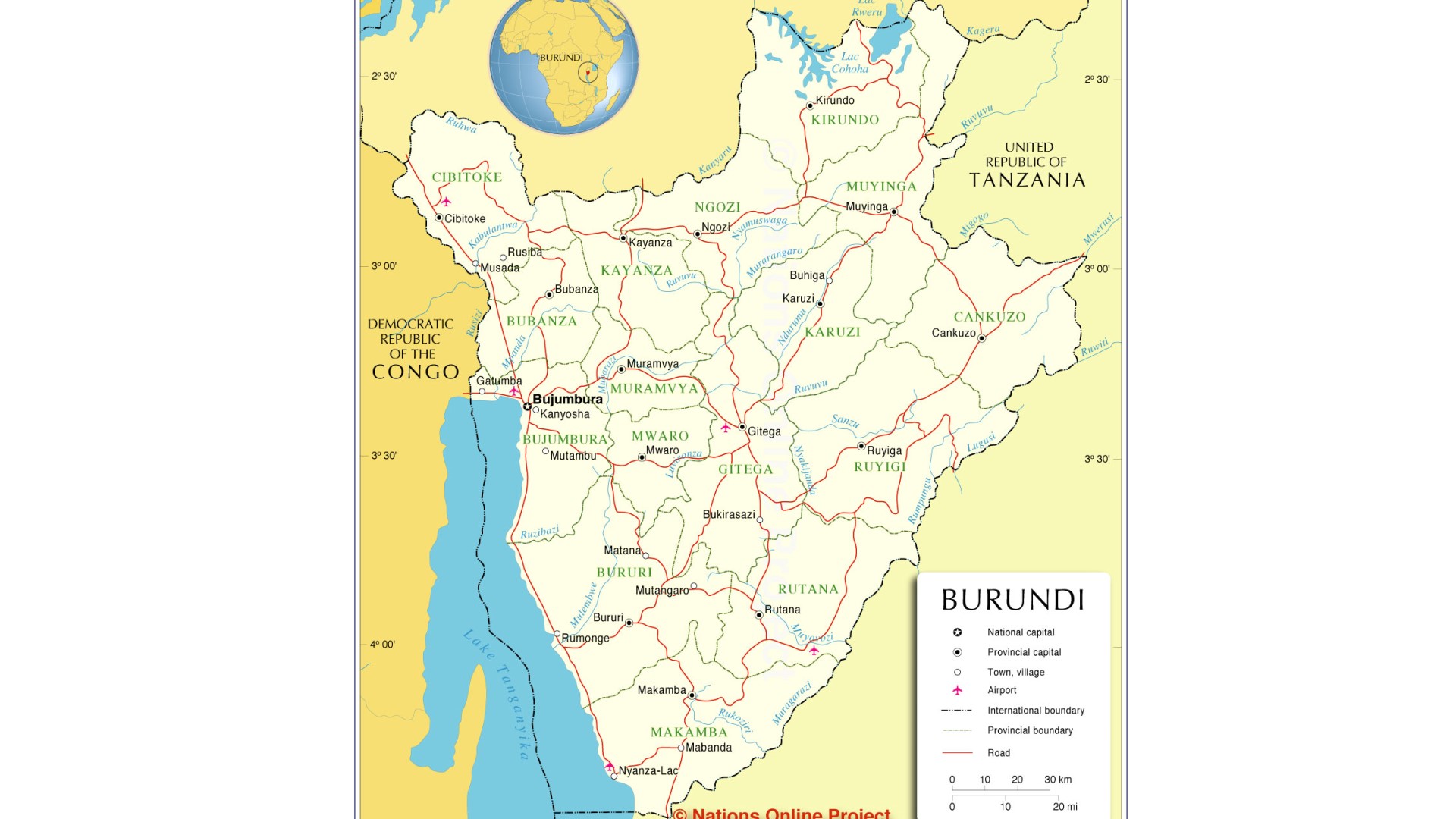
The Economic and Political Status of Burundi in East Africa
Abstract This paper examines the evolving economic and political status…
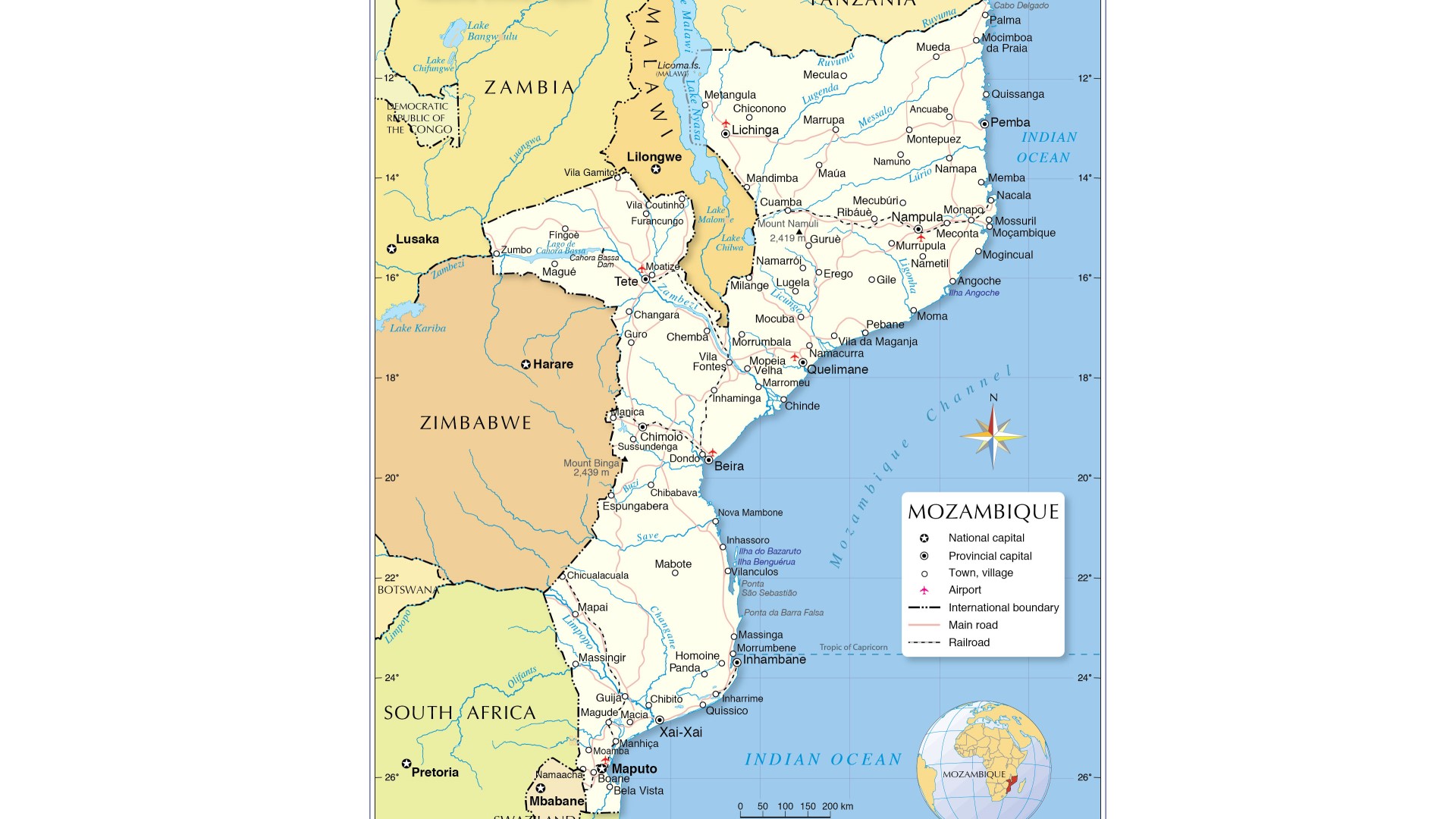
Mozambique’s Contemporary Economic and Political Status
Abstract This paper provides a comprehensive analysis of Mozambique's contemporary…