
Introduction: The Dual Imperative
Africa is experiencing a digital revolution at breakneck speed. With over 570 million internet users, a booming fintech sector, and the world’s youngest population, the continent is poised to “leapfrog” traditional development stages. Simultaneously, the global AI race has arrived at its shores, promising transformative solutions to entrenched challenges in agriculture, healthcare, and governance. However, this digital transformation unfolds against a backdrop of acute risks: fragmented infrastructure, regulatory gaps, and the looming threat of digital neocolonialism—where external powers shape Africa’s digital ecosystem to serve foreign interests, extract data, and entrench dependency. This article explores Africa’s journey through digital transformation and the urgent, complex quest to establish sovereign, ethical, and inclusive AI governance.
Part I: The State of Digital Transformation – Progress and Fractures
Africa’s digital landscape is a study in contrasts, marked by explosive innovation atop fragile foundations.
1. The Foundations: Connectivity and Inclusion
- Mobile-First Continent:Over 85% of internet connections are via mobile phone. The rollout of 4G and emerging 5G networks is expanding access, though digital divides persist along urban-rural, gender, and economic lines.
- Infrastructure Gaps:Underwater cables ring the continent, but terrestrial fiber backbones are often underdeveloped. High data costs and electricity instability remain critical bottlenecks. Initiatives like the African Union’s Digital Transformation Strategy (2020-2030) and Smart Africa Alliance aim to create a single digital market.
- Fintech as a Vanguard:Africa leads the world in mobile money adoption. From M-Pesa’s origins in Kenya to flourishing ecosystems in Nigeria, Egypt, and South Africa, fintech has driven financial inclusion, demonstrating how digital tools can solve local problems at scale.
2. The Innovation Ecosystem
- Tech Hubs:Cities like Lagos, Nairobi, Cape Town, and Kigali have become vibrant hubs, hosting thousands of startups in e-commerce, edtech, healthtech (e.g., Zipline’s drone delivery), and agritech.
- Public Digital Infrastructure:Pioneering nations are building “digital public infrastructure” (DPI). India’s Aadhaar-inspired digital ID systems (e.g., Nigeria’s NIN, Kenya’s Huduma Namba), interoperable payment systems (like the Pan-African Payment and Settlement System – PAPSS), and data exchange frameworks aim to create an integrated digital economy.
3. The Structural Challenges
- Data Centers and Sovereignty:Over 80% of Africa’s data is stored abroad, raising costs, latency, and sovereignty concerns. A scramble to build local data centers is underway, driven by both African firms and hyperscalers (Google, Microsoft, Amazon).
- Skills Deficit:A critical shortage of advanced digital skills—in data science, cybersecurity, and AI engineering—threatens to turn the continent into a consumer rather than a creator of technology.
- The Platform Economy Dilemma:While global platforms (Meta, Google, TikTok) provide vital services, they dominate advertising revenue, shape public discourse, and operate with limited local accountability or content moderation in local languages.
Part II: The AI Inflection Point – Promise and Peril
Artificial Intelligence is no longer theoretical in Africa; it is being deployed in pivotal sectors.
AI for Developmental Leapfrogging: Use Cases
- Agriculture:AI-powered apps (like PlantVillage Nuru) diagnose crop diseases via smartphone. Satellite imagery and machine learning optimize irrigation and predict yields.
- Healthcare:Algorithms are used for interpreting chest X-rays in tuberculosis screening, analyzing malaria slides, and enabling AI-powered chatbots for maternal health advice.
- Public Administration:AI is streamlining service delivery, from traffic management in Cairo to predictive analytics for social services in Tshwane.
- Climate Adaptation:AI models predict locust swarms, map deforestation, and optimize renewable energy grid management.
The Existential Risks of Ungoverned AI
Without robust governance, AI threatens to:
- Amplify Bias and Inequality:Trained on unrepresentative global datasets, AI can perpetuate discrimination in hiring, credit scoring, and policing. Facial recognition technologies often perform poorly on darker skin tones.
- Enable Surveillance and Authoritarianism:“Smart city” and digital ID systems could empower unchecked state surveillance, shrinking civic space under the guise of efficiency and security.
- Undermine Labor Markets:Automation could displace jobs faster than new ones are created, a severe risk for youthful populations.
- Erode Cultural Sovereignty:Large Language Models (LLMs) that lack African linguistic and cultural context could homogenize information and marginalize local knowledge systems.
Part III: The AI Governance Imperative – Building a Sovereign Framework
Africa is not a passive observer in the global AI governance debate. It is actively formulating responses, navigating between the EU’s rights-based regulatory model, the US’s innovation-centric approach, and China’s state-controlled paradigm.
1. The Emerging African AI Governance Landscape
- National Strategies:A few pioneers have launched national AI strategies (e.g., Egypt, Rwanda, Mauritius, Senegal), focusing on building capacity, ethics, and sectoral application.
- The African Union’s Continental Framework:The AU is developing a Continental AI Strategy and Policy Framework, aiming to harmonize regulations, foster pan-African data sharing, and establish ethical guidelines rooted in African values like Ubuntu (collective humanity).
- Ad Hoc Regulations:Data protection laws (based largely on the EU’s GDPR) have been passed in over 30 African countries, forming a foundational layer for AI governance. Competition and cybersecurity laws are also evolving.
2. Core Pillars of a Prospective African AI Governance Model
A sovereign African approach to AI governance would likely rest on several key pillars:
- Contextual Ethics:Moving beyond Western-centric ethics to frameworks embedding African philosophical principles, prioritizing community benefit, fairness, and explicability.
- Data Sovereignty and Pan-African Data Spaces:Establishing rules for cross-border data flows that protect privacy while enabling the large, diverse datasets needed to train representative AI. The AU’s Data Policy Framework is a critical step.
- Inclusive Innovation Ecosystems:Prioritizing not just AI consumption but local AI creation—supporting R&D, open-source AI models for low-resource languages (e.g., Masakhane NLP initiative), and compute infrastructure.
- Adaptive and Agile Regulation:Avoiding overly rigid rules that stifle innovation in fast-moving fields, potentially using regulatory sandboxes to test innovations safely.
- Global Voice and Standard-Setting:Africa must collectively engage in global fora (UN, ITU, GPAI) to ensure its perspectives shape international norms, preventing a recurrence of technological imperialism.
3. The Geopolitics of African AI
- The US-China Contest:Both powers are aggressively offering AI capacity-building, infrastructure, and partnerships. The risk is Africa becoming a testing ground or digital vassal in a new Cold War.
- The Sovereign Opportunity:A cohesive African bloc could negotiate from a position of strength, demanding technology transfer, local value addition (e.g., AI labeling centers), and co-development agreements.
Part IV: Case Studies in Contrast
- Rwanda: The Strategic Integrator.Has positioned itself as a testbed for AI (drones, health diagnostics) through strategic partnerships with Western institutions and tech firms. Its governance is top-down, focused on efficiency and attracting investment, raising questions about data rights and public consultation.
- Nigeria: The Ecosystem Play.Boasts the continent’s largest developer community and a dynamic, bottom-up startup ecosystem. Governance is fragmented and struggling to keep pace, but civil society and tech community advocacy are strong forces shaping the debate.
- Kenya: The Policy Pioneer.An early adopter of robust data protection law, it is now debating AI regulations amidst a vibrant civic tech scene. It exemplifies the tension between fostering innovation and protecting citizens from harm.
Conclusion: Beyond Leapfrogging to Technological Sovereignty
Africa’s digital and AI trajectory is at a decisive juncture. The “leapfrog” narrative is empowering but insufficient; it must be coupled with a conscious project of technological sovereignty.
This demands a dual track:
- Accelerating inclusive digital transformationby treating connectivity as a public good, investing in digital public infrastructure, and fostering homegrown entrepreneurship.
- Architecting a distinctive, proactive AI governance regimethat protects human rights, promotes inclusive growth, and ensures Africa owns and shapes the algorithms that will determine its future.
Success would mean an Africa that harnesses AI to diagnose crops, not just profile citizens; that exports AI-powered solutions, not just raw data; and that contributes African ethical frameworks to the global governance dialogue. Failure would see the continent’s digital futures shaped in Silicon Valley, Shenzhen, and Brussels, locking in a new, more sophisticated form of dependency. The task ahead is not merely technical, but profoundly political and civilizational—a race to code Africa’s own destiny.
Sources:
- Reports:*African Union Digital Transformation Strategy (2020-2030)*; Smart Africa Alliance Blueprint; UNECA’s African GovTech Platform initiative.
- Research Institutions:Research ICT Africa, AI4D Africa, The African Centre for Technology Studies (ACTS), The Mozilla Foundation’s Africa Mradi.
- Key Texts:“The Digital Commonwealth” by Jean-Claude Burgelman; “AI Decolonial Manyfesto” by Abeba Birhane et al.; IFC/Google reports on Africa’s Startup Ecosystem.
- Journals:African Journal of Information and Communication (AJIC), Digital Policy Studies.
Initiatives: The Masakhane NLP project (for low-resource African languages), Lelapa AI (building AI for African languages), The African Algorithmic Justice League.
Related Posts
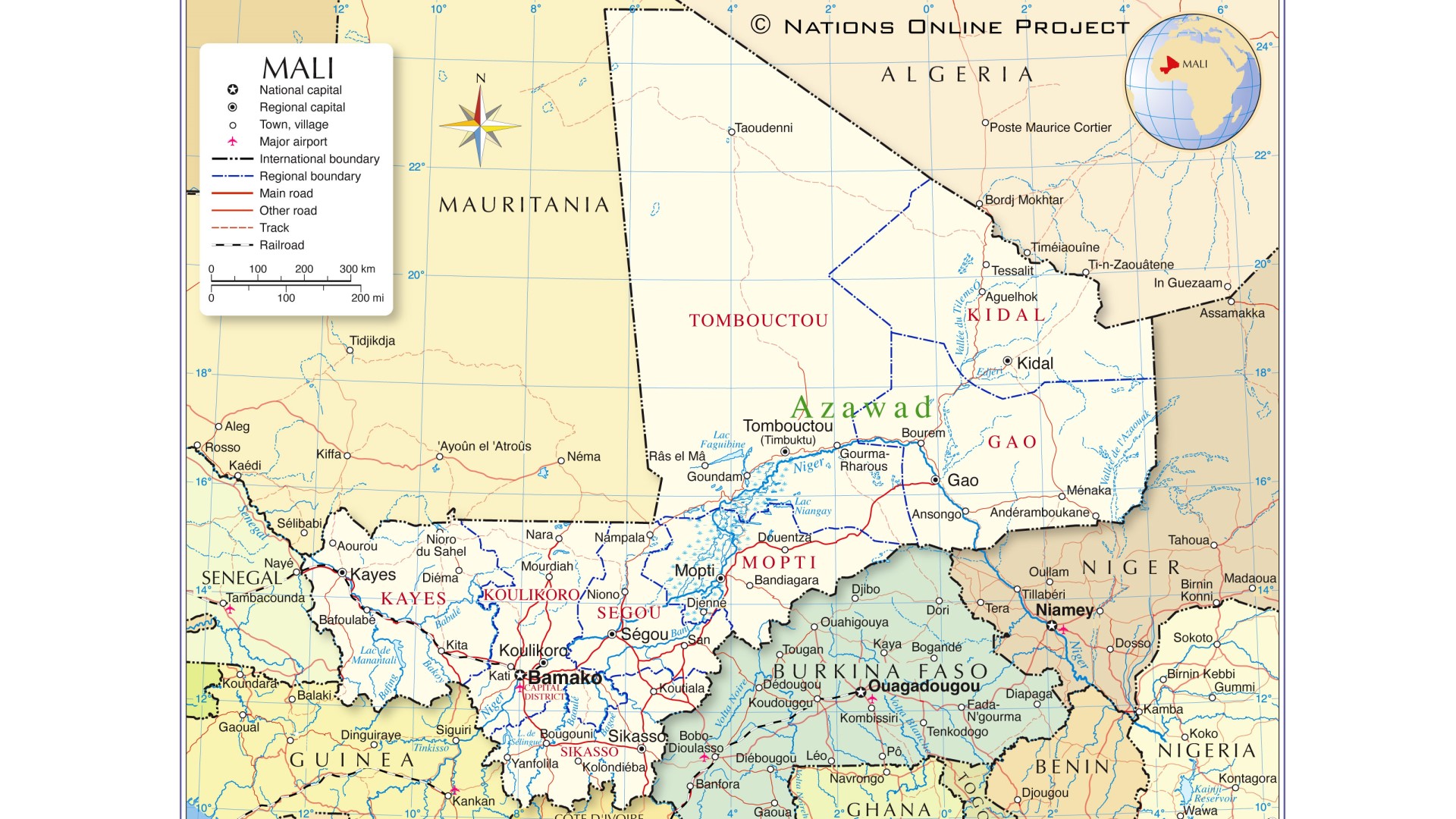
Analyzing Mali’s Economic and Political Status in West Africa
Abstract This paper examines the contemporary economic and political status…
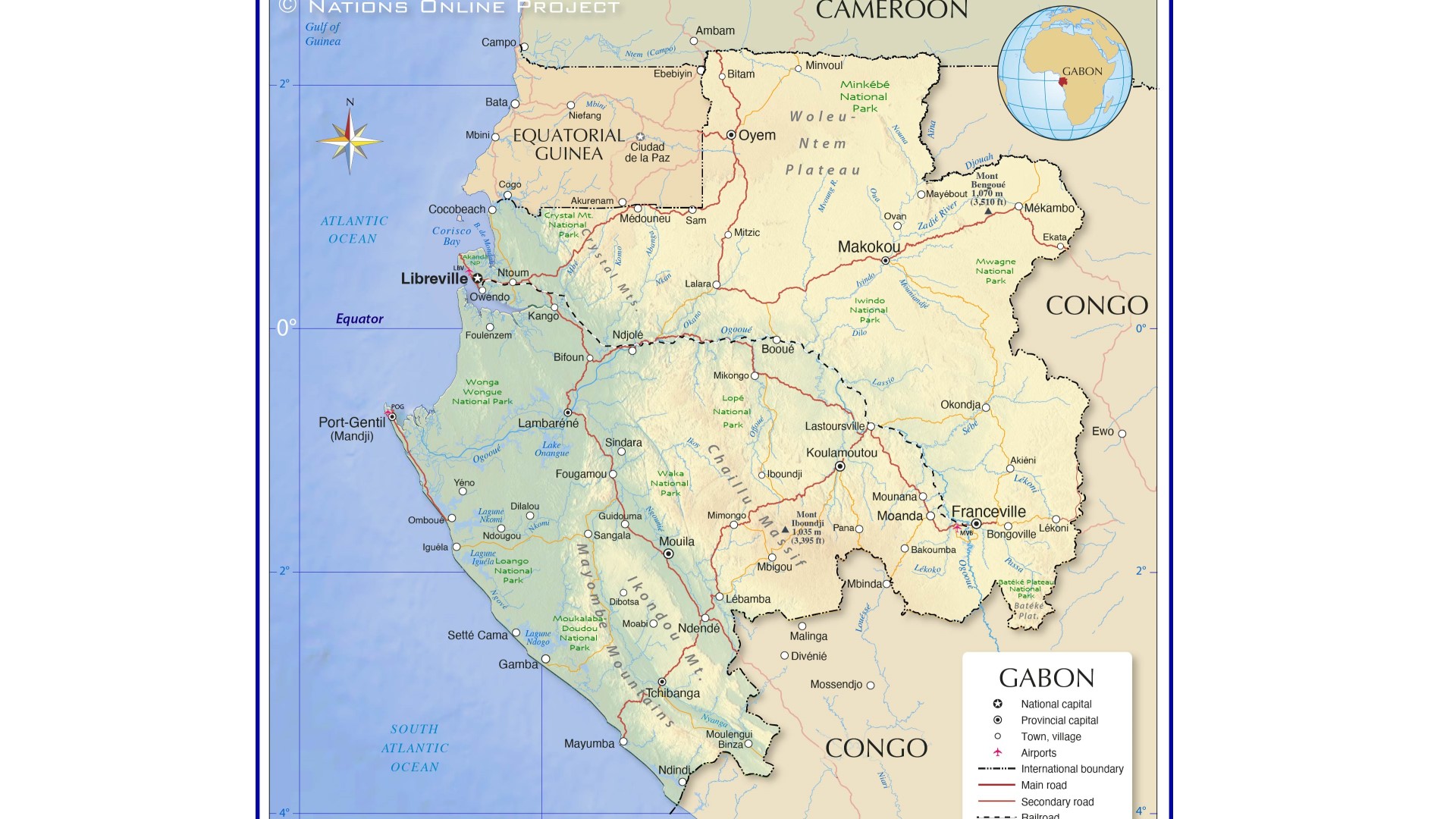
The Economic and Political Status of Gabon
Abstract This paper provides a comprehensive analysis of Gabon's economic…
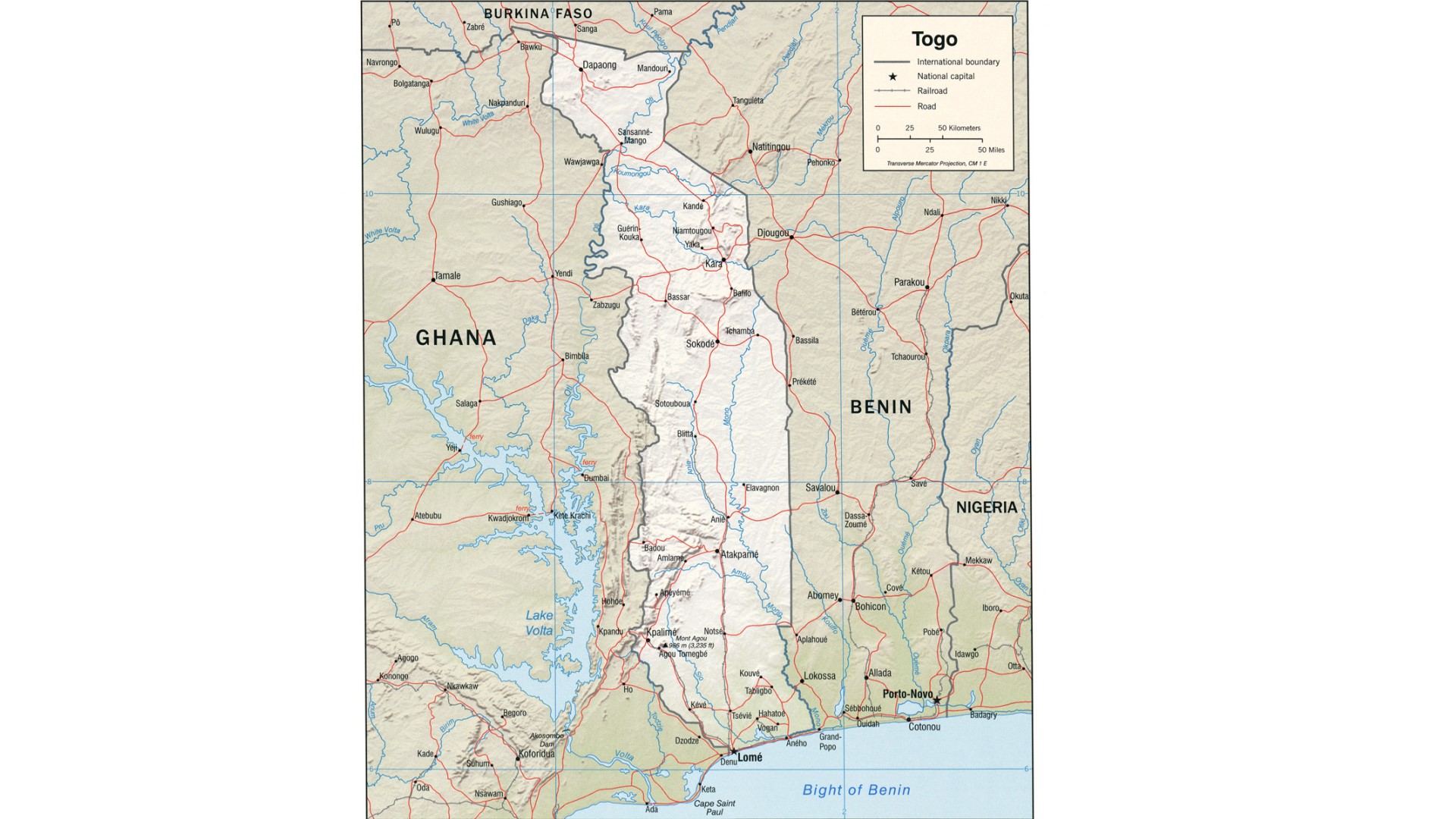
Togo in A Nexus of Stability, Vulnerability, and Dynastic Governance
Abstract: This paper provides a comprehensive analysis of the contemporary…