
Executive Summary
Africa, long perceived as a continent of challenges, is rapidly transforming into one of the world’s most promising investment destinations. With a burgeoning population projected to reach 2.5 billion by 2050, accelerating urbanization, and a digital revolution leapfrogging legacy infrastructure, Africa presents unprecedented opportunities for discerning investors. This article provides a comprehensive analysis of Africa’s investment landscape, examining key sectors, regional variations, risk considerations, and strategic approaches for capitalizing on the continent’s growth trajectory.
The Macroeconomic Backdrop
Demographic Dividend
Africa boasts the world’s youngest population, with over 60% under age 25. This demographic structure creates a growing consumer market and labor force, driving domestic consumption and productivity potential. By 2030, Africa’s working-age population is expected to exceed that of China and India combined.
Economic Growth Trajectory
Despite global headwinds, Sub-Saharan Africa’s GDP growth is projected to average 3.8% in 2024-2025, with several economies consistently outperforming global averages. Rwanda, Ethiopia, Tanzania, and Côte d’Ivoire have sustained growth rates above 6% in recent years, demonstrating resilience and structural transformation.
Regional Integration & Trade
The African Continental Free Trade Area (AfCFTA), launched in 2021, creates a single market of 1.3 billion people with a combined GDP of $3.4 trillion. This monumental agreement reduces tariffs on 90% of goods and facilitates cross-border investment, creating scale economies previously unavailable in fragmented national markets.
High-Potential Investment Sectors
1. Technology & Digital Innovation
Africa’s tech ecosystem has exploded, with investment in African tech startups growing over 10-fold between 2015 and 2022. Key opportunities include:
-
Fintech: Mobile money solutions like M-Pesa have revolutionized financial inclusion. Only 43% of adults have bank accounts, leaving enormous room for digital finance solutions.
-
E-commerce and Logistics: As internet penetration surpasses 50% continent-wide, online retail and supporting logistics infrastructure present compelling opportunities.
-
Agri-tech: Innovations in supply chain management, precision agriculture, and market access platforms address critical inefficiencies in Africa’s agricultural sector.
2. Renewable Energy
With 60% of the world’s best solar resources but only 1% of installed capacity, Africa’s renewable energy potential remains largely untapped. Opportunities exist in:
-
Utility-scale solar and wind projects
-
Decentralized mini-grid solutions for remote communities
-
Green hydrogen production for European and domestic markets
-
Battery storage and grid modernization technologies
3. Agriculture & Food Security
Africa possesses 60% of the world’s uncultivated arable land but remains a net food importer ($43 billion annually). Investment opportunities include:
-
Commercial farming and aquaculture
-
Agricultural processing and value-added products
-
Cold chain infrastructure to reduce 40-50% post-harvest losses
-
Sustainable and climate-resilient agricultural practices
4. Infrastructure Development
The African Development Bank estimates infrastructure needs at $130-170 billion annually, with a financing gap of $68-108 billion. Priority areas include:
-
Transportation networks (roads, railways, ports)
-
Digital infrastructure (fiber optics, data centers)
-
Urban infrastructure as cities expand at unprecedented rates
-
Water and sanitation systems
5. Healthcare
The COVID-19 pandemic exposed healthcare infrastructure gaps while simultaneously accelerating telemedicine adoption. Opportunities include:
-
Pharmaceutical manufacturing (currently imports 70-90% of medicines)
-
Diagnostic and specialized care facilities
-
Healthtech solutions for remote patient monitoring and data management
-
Training facilities for healthcare professionals
6. Manufacturing & Industrialization
AfCFTA makes regional manufacturing more competitive by creating continental scale. Light manufacturing, automotive assembly, and consumer goods production are relocating to Africa to serve both domestic and export markets.
Regional Variations & Strategic Hubs
East Africa
Led by Kenya, Ethiopia, and Rwanda, this region has become a tech innovation hub with relatively stable governance and improving infrastructure. Kenya’s Silicon Savannah has attracted over $1 billion in tech investment since 2015.
West Africa
Nigeria and Ghana dominate as economic powerhouses, with Nigeria having Africa’s largest economy and population. Côte d’Ivoire has emerged as one of the continent’s fastest-growing economies with exceptional agricultural potential.
Southern Africa
South Africa remains the most industrialized economy with sophisticated financial markets. Mauritius serves as a gateway investment jurisdiction with favorable tax treaties across the continent.
Francophone Africa
French-speaking nations like Senegal, Côte d’Ivoire, and Rwanda offer improving business environments, with Rwanda ranking second in Africa on the World Bank’s Ease of Doing Business index.
Risk Considerations & Mitigation Strategies
Political & Governance Risks
While democratic transitions have improved in many countries, political instability remains in specific regions. Mitigation strategies include:
-
Political risk insurance through organizations like MIGA (World Bank Group)
-
Local partnership structures
-
Diversification across countries and sectors
Currency & Exchange Rate Volatility
Local currency fluctuations can impact returns for dollar-denominated investors. Hedging strategies and investing in export-oriented businesses can mitigate these risks.
Infrastructure Gaps
While creating investment opportunities, infrastructure deficiencies increase operational costs. Hybrid solutions incorporating self-sufficient power and water systems may be necessary.
Regulatory Environments
Business regulations vary significantly across countries. Engaging local legal expertise and maintaining government relations are essential for regulatory navigation.
Case Studies: Success Stories
M-Pesa (Kenya)
The mobile money platform revolutionized financial services, demonstrating Africa’s capacity for leapfrog innovation. It now processes approximately $314 billion annually, about half of Kenya’s GDP.
African Data Centers
Investment in data infrastructure has surged, with companies like Liquid Intelligent Technologies and Africa Data Centres expanding across the continent to serve growing digital needs.
Dangote Industries (Nigeria)
Aliko Dangote built a pan-African industrial conglomerate, most notably in cement production and now in petroleum refining, showcasing the scale potential of African markets.
Future Outlook & Megatrends
Climate Transition Opportunities
Africa stands to benefit from the global energy transition through critical mineral resources (cobalt, lithium, copper) and carbon credit development from its vast forest reserves.
Urbanization Acceleration
By 2050, Africa will host at least 10 megacities with populations exceeding 10 million, driving demand for housing, retail, and urban services.
Skills Development & Education
The growing youth population creates demand for education technology and vocational training solutions to develop human capital for emerging industries.
Strategic Recommendations for Investors
-
Adopt a Long-Term Perspective: African markets require patient capital with investment horizons of 7-10 years to navigate early-stage challenges and capture growth.
-
Embrace Partnership Models: Successful investors typically partner with local firms, development finance institutions, or established multinationals with regional experience.
-
Focus on Impact-Aligned Investments: Environmental, social, and governance (ESG) considerations are increasingly important and often align with long-term sustainability.
-
Leverage Blended Finance: Development finance institutions and impact investors can provide de-risking instruments for early-stage projects in challenging environments.
-
Implement Adaptive Management: Flexible business models that can adjust to local conditions outperform rigid approaches transplanted from other markets.
Conclusion
Africa presents a complex but extraordinarily promising investment landscape. While challenges persist, the continent’s demographic trajectory, resource endowment, digital leapfrogging, and regional integration create unique opportunities across multiple sectors. The investor who approaches Africa with nuanced understanding, strategic patience, and adaptive models stands to participate in what may become the 21st century’s most significant growth story. As the AfCFTA matures and digital connectivity expands, Africa’s economic transformation is not merely possible—it is already underway, creating unprecedented opportunities for those positioned to engage with this dynamic continent.
Note: This article is based on current research from the African Development Bank, World Bank, UNCTAD, McKinsey Global Institute, and numerous regional investment reports. Investment decisions should be based on professional advice tailored to specific circumstances.
Related Posts
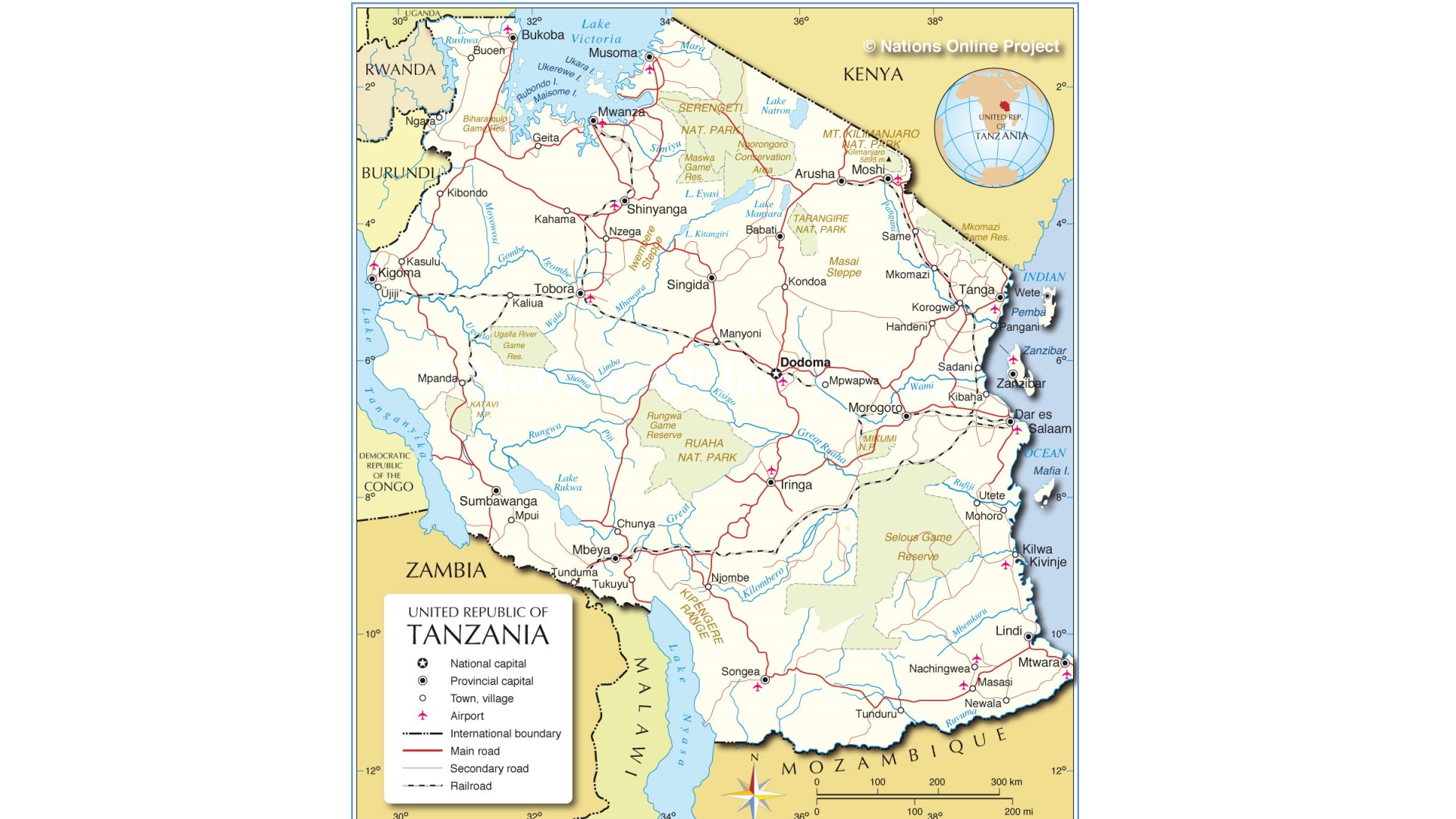
Economic and Political Status of Tanzania in East Africa
Abstract This paper examines Tanzania's contemporary economic and political status…
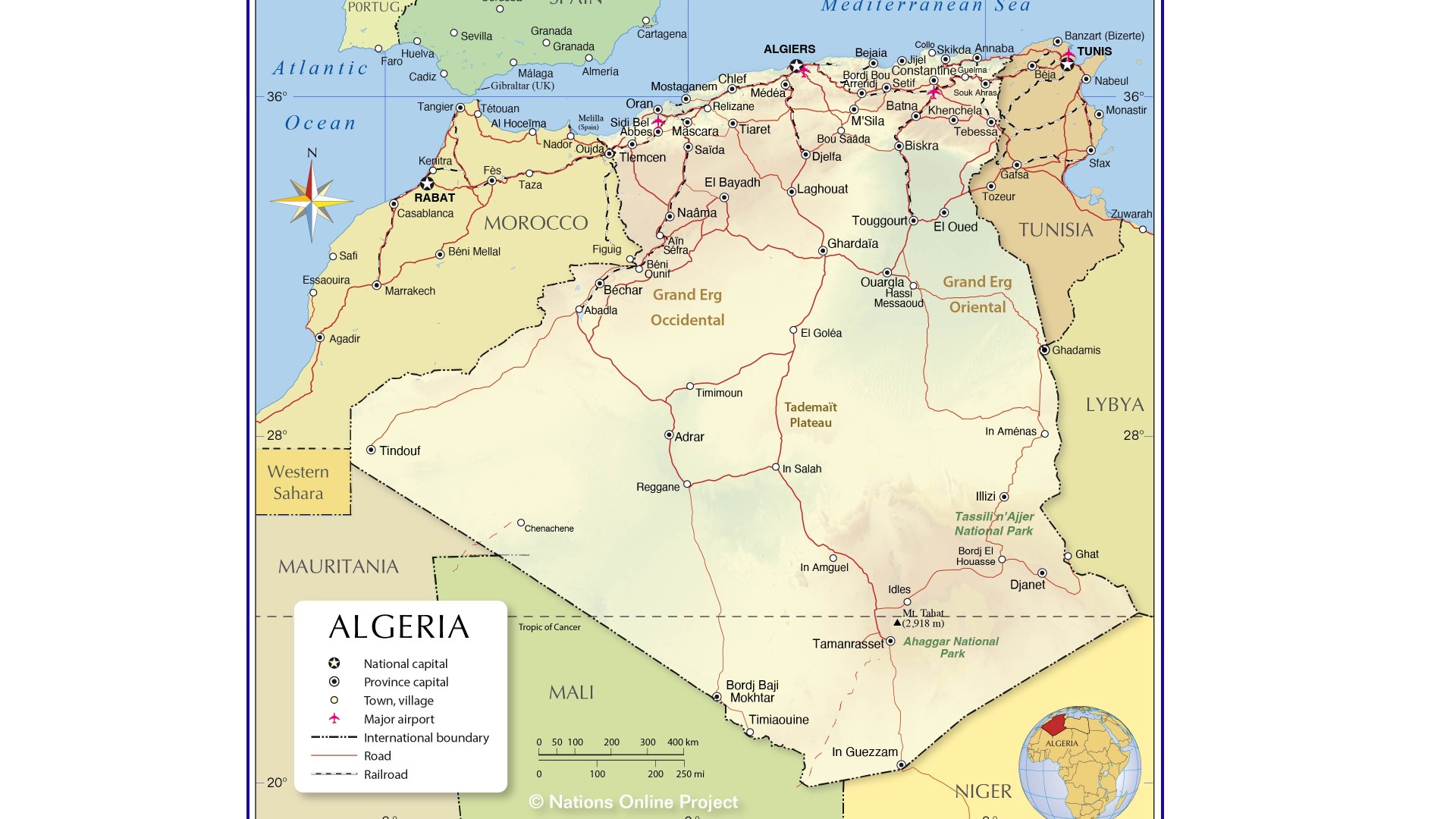
The Economic Ambition and Political Precarity of Algeria
Abstract This paper examines the contemporary economic and political status…

Youth Demographics & the “Human Capital” Crisis in Africa
Introduction: The Defining Paradox of the 21st Century Africa stands…